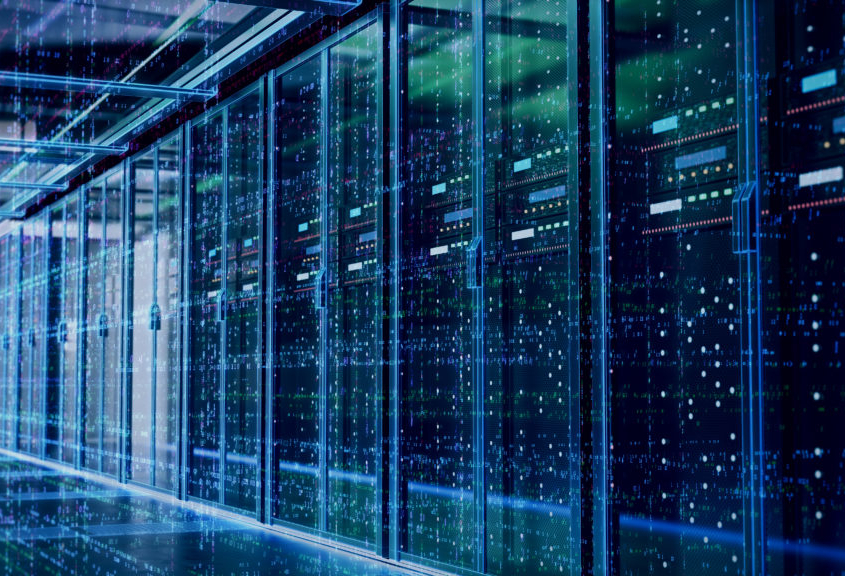
What if the backbone of our digital world, data centers, which power every click and stream, are also some of the biggest threats to our planet?
As demand for data centers grows, businesses that ignore sustainability face increased financial and reputational risk. Compliance requirements are tightening, customers are demanding transparency, and being perceived as environmentally irresponsible can harm your business’s brand.
Data center sustainability is therefore no longer an option, but a necessity.
What is Data Center Sustainability?
Data center (DC) sustainability aims to mitigate this environmental impact by enhancing energy efficiency, conserving resources, and increasing the utilization of renewable energy with the ultimate goal of achieving net-zero carbon emissions.
There are numerous agreements worldwide dedicated to data center sustainability. Most notably, the Climate Neutral Data Centre Pact in Europe sets sustainability targets for energy use, water efficiency, and carbon reduction. Failing to meet standards can result in fines and compliance issues.
What Makes a Data Center “Green”?
Green data centers must be committed to improving their overall sustainability to reduce their carbon footprint and achieve net-zero carbon emissions drastically.
6 Key Common Characteristics of Green Data Centers Include:
1. Energy Efficiency
Data centers must measure their energy consumption to ensure that energy is being used efficiently, as measured by Power Use Effectiveness (PUE) targets.
2. Renewable Energy
The proportion of renewable energy used to power data centers significantly impacts their sustainability status. Green data centers should strive to be 100% powered by renewable energy sources, such as wind and solar, by 2030.
3. Water Efficiency
Water Usage Effectiveness (WUE) is increasingly important as the industry evolves. Closed-loop and liquid cooling systems drastically reduce water waste while improving thermal performance.
4. Circular Economy
Sustainable data centers should be committed to the principles of the circular economy. Broken equipment, such as servers, should be repaired and recycled. Heat waste should also be reused where possible.
5. Battery Technology
The manufacture and consumption of batteries have adverse environmental effects. Utilizing new battery technology results in fewer, longer-lasting batteries, helping reduce energy consumption.
6. Sustainable Construction
Sustainability starts long before the first server is powered on. Green Building Certifications and locally sourced, sustainable materials help reduce environmental impact.
Recent discussions about data centers relocating to space have been underway, which could entirely change the game, taking some weight off the environment.
We see data centers in space as producing at least 10 times lower carbon emissions, even including the launch – CEO of Starcloud Philip Johnston
Tracking Consumption and Waste
Sustainability must be measured to be improved. Without the appropriate means of tracking efficiency, targets cannot be met, and opportunities for improvement cannot be identified.
DCs must implement integrated building management software to monitor energy usage and identify areas for waste reduction. Insights from this will help to drive meaningful changes, such as redesigning layouts to improve airflow.
End-of-life management is also critical. Instead of sending retired equipment to landfills, businesses should prioritize the reuse and recycling of equipment.
TecEx supports these efforts with seamless Exporter of Record (EOR) services, helping businesses safely and sustainably move end-of-use hardware across borders.
Why is Data Center Sustainability Important?
Beyond environmental impacts, transitioning to greener operations offers numerous additional benefits:
- Lower operating costs through more efficient cooling and energy use.
- Better brand reputation, especially as customers select providers aligned with their ESG goals.
- Increased resilience, as modern systems withstand peak demand and energy volatility far better than legacy infrastructure.
Sustainable facilities simply perform better, both financially and operationally, and competitively.
At TecEx, we will help ensure your sustainable DC parts are delivered to where they need to be, ensuring complete compliance.

Key Considerations for Green Data Center Designs
Green DC design is a crucial step in the global effort to combat climate change. Three forces are shaping the future of sustainable digital infrastructure:
1. Technology
AI and edge computing are among the most influential breakthroughs shaping the future of data centers. AI is transforming operations by automating routine tasks, optimizing system performance, and improving decision-making. Meanwhile, edge deployments reduce the strain on centralized megacenters by processing data closer to where it is generated.
2. Energy Procurement
Accessibility can be a factor in the procurement of renewable energy. Renewable procurement isn’t always straightforward, especially in regions where availability fluctuates. Some operators are turning to on-site generation or long-term power agreements to ensure a reliable and clean supply.
3. Collaboration
For a sustainable data center design, a high level of collaboration is required among sustainability, design, construction, and management teams. Teams must work together to meet targets and incorporate sustainability into the design from the outset. While upfront costs can be higher, the long-term efficiencies far outweigh initial costs.
TecEx supports sustainable procurement by consolidating your gear into a single shipment, which is both cost-effective and a measure that reduces carbon footprint. As a specialized Importer of Record (IOR), TecEx ensures efficient first-time customs clearance.
Who are the Leaders in Green Data Centers?
Air Trunk
Air Trunk is committed to sustainable business practices, aiming for a waste-free office. By 2030, they aim to have 100% renewable energy and achieve net-zero emissions.
Ark
A member of the Climate Neutral Data Centre Pact, Ark’s innovations include ‘Water Buffering and Saving Mode’ for their cooling equipment, reducing their original peak water usage by 85%.
Scala
Latin America’s first data center operator to use 100% renewable energy, Scala achieved carbon neutrality in 2021 and continues to support environmental initiatives.
AWS
AWS is building data centers that will support the next generation of AI. They are using innovative power, cooling, and hardware designs to create more energy-efficient data centers. They emphasize a circular economy and are on track to become water positive.
What Does the Future of Data Center Sustainability Look Like?
The DC industry has undergone a rapid transformation since 2007, when big-tech companies began modernizing their facilities to enhance efficiency. Their efforts set a new standard across the sector, prompting widespread adoption of more efficient and responsible practices. Today, customer expectations are accelerating this momentum, as businesses are choosing partners that reflect their environmental values.
Looking ahead, sustainability will be driven by broader adoption of liquid cooling, deeper integration of AI, and continued growth of edge data centers. Together, these innovations will help reduce environmental impact and support a more efficient, resilient digital infrastructure.
Prioritizing sustainability is no longer optional; it’s essential for long-term growth and for contributing to global efforts to mitigate climate-related risks.
TecEx plays a key role in this transition by ensuring that the movement of mission-critical hardware is compliant, responsible, and aligned with global sustainability expectations.
Discover More
Want to know more about where data center innovation is headed?
Explore our Top Data Center Trends for 2026, with sustainability ranking number 2.