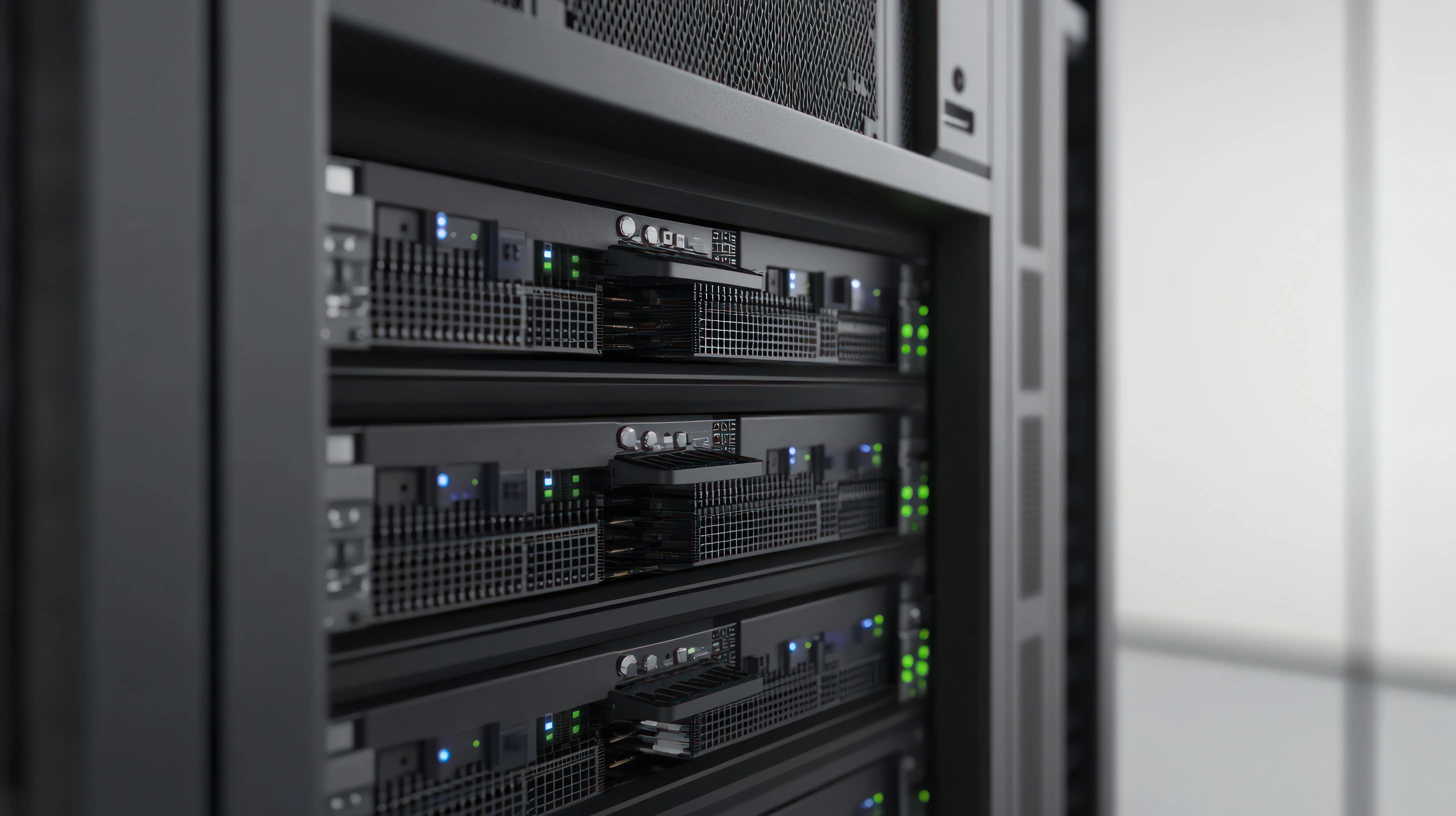
Artificial intelligence (AI) is pushing power demand beyond what many electricity grids can handle. As AI workloads grow and become more energy-intensive, data center generators have shifted from a backup plan to a critical part of modern infrastructure.
The numbers back this up: US data center grid power demand is projected to nearly triple by 2030.
However, sourcing this power is not just an energy problem but also a trade problem. Generators, turbines, and battery systems are large, high-value, highly regulated equipment, and getting them across borders on schedule involves customs classification, import permits, and multi-country logistics that AI teams are not set up to navigate on their own.
Deploying the right data center power generation technology and delivering it on time is what separates a resilient power strategy from a stalled project.
What Is Data Center Power Generation?
Data center power generation is the system that supplies electrical power to data centers, either as backup or primary support during grid strain.
A Typical Data Center Power Chain Includes:
- Utility grid connection
- UPS system transformers
- Battery backup
- Data center generators
- IT equipment and server racks
Why Are Data Center Generators Essential?
Data center generators protect facilities against grid outages, prevent costly downtime, and support business continuity. As AI workloads become more power-intensive and electricity demand fluctuates, operators cannot afford interruptions. Even a few minutes of downtime can impact businesses.
Generators bridge the gap between a grid failure and the restoration of utility power, ensuring servers, networking equipment, and cooling systems continue operating without disruption.
What Are the Different Types of Data Center Generators?
Supply Chain Challenges of Data Center Generators
Here is the tricky part: purchasing data center generators is only half the job. Getting them across international borders, through customs, and delivered to the site on schedule is often the bigger challenge.
Challenges Include:
- Custom clearance delays
- Import permits
- Coordination of multi-country supply chains
Even minor shipping delays can have significant consequences for large-scale data center projects, impacting commissioning timelines and increasing project costs.
Supporting the Future of Global Data Center Power Generation
As AI continues to drive demand, the need for reliable, well-planned data center power generation will only grow. Getting generators and supporting infrastructure into the ground on time and in full compliance turns an ambitious build plan into an operational facility.
This is exactly where TecEx comes in. We manage import compliance, customs clearance, and logistics coordination for data center generators and power equipment moving across borders, so customs bottlenecks don’t delay commissioning.
From HS code classification to permit management across multiple jurisdictions, we handle the complexities of trade, so your team can focus on getting the facility live.