South America Trade Solutions
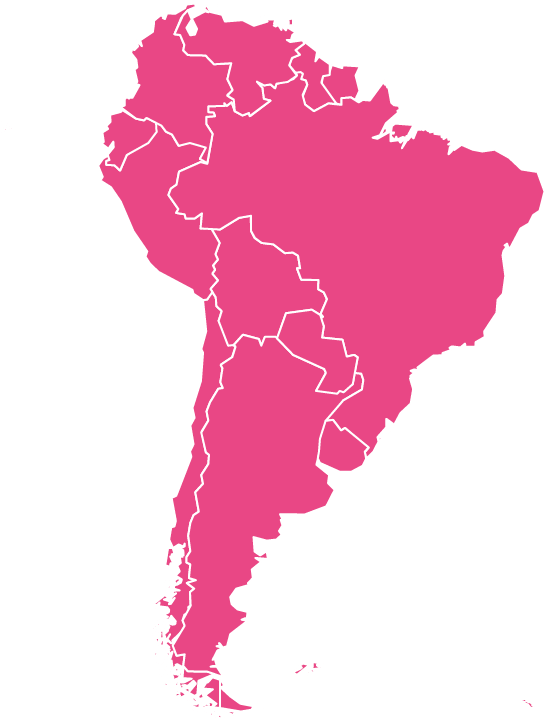
South America and the broader Latin American corridor are no longer just a commodities powerhouse. The region is evolving into a sophisticated trade ecosystem fueled by digital innovation, energy demand, and shifting global supply chains. Getting your tech goods into South America is critical, and partnering with an Importer of Record is essential to ensure smooth customs clearance for South American imports.
Data center market capacity is expanding by up to 20% annually.
$409.5 billion spending prediction in high-growth IT services by 2030
Up to 21.9% of total manufactured exports are high-tech goods
Over 45% of enterprise technology hardware across Latin America relies on imports
7.55% CAGR expansion in South America driven by AI integration
South America Technology Imports
South America is known to have highly complex customs clearance processes. This makes it one of the most complicated regions to import into and export from, with Venezuela and Brazil among the most challenging countries to navigate for trade. The South American geofencing market is expanding as businesses adopt location-based technologies across logistics and retail, while strict data protection rules in countries such as Brazil, Argentina, and Colombia are encouraging in-region data center builds. Rapid growth in fintech and AI adoption is adding further demand for advanced hardware.
Businesses shipping to South America from the US or Europe often face severe hurdles when moving complex technology, such as regulations on dual-use goods. TecEx acts as your designated Importer of Record, simplifying imports into South America and helping businesses navigate local customs requirements.
South American Trade Challenges
Top South American Import and Export Lanes for Tech
Argentina
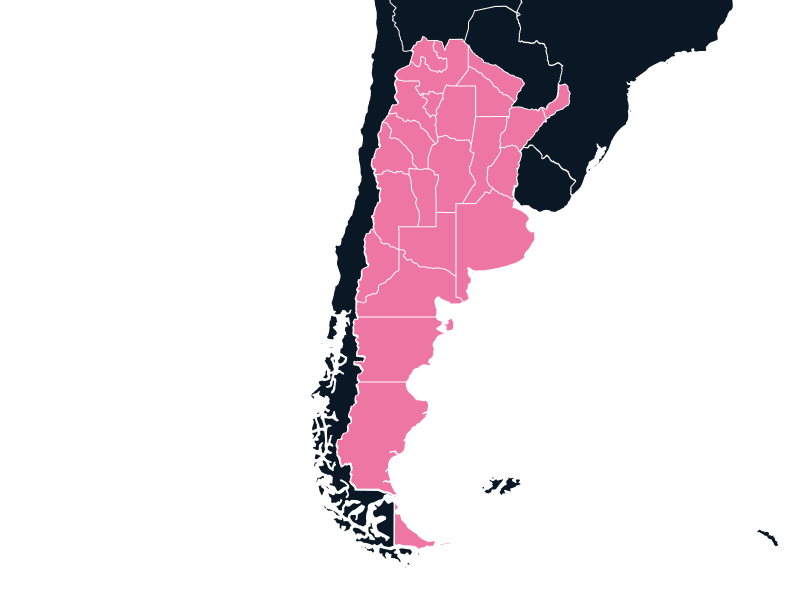
Argentina is South America’s second-largest economy and an emerging regional tech hub. Its ICT market is projected to exceed $45 billion by 2031, growing at a 14.29% CAGR. Yet protections for domestic industry create trade barriers that slow clearance for foreign goods.
Importing servers, networking hardware, and telecom equipment means navigating local importer rules, customs classification, ENACOM approvals, ANMAT requirements, and tax obligations. Commercial Invoices must be original copies in Spanish, include the invoice number, execution date, and correct Incoterms, and be supported by Packing Lists and cargo photographs. Argentina also bans used and refurbished electronics. TecEx’s trade compliance expertise helps you reduce regulatory risk and avoid delays.
Brazil
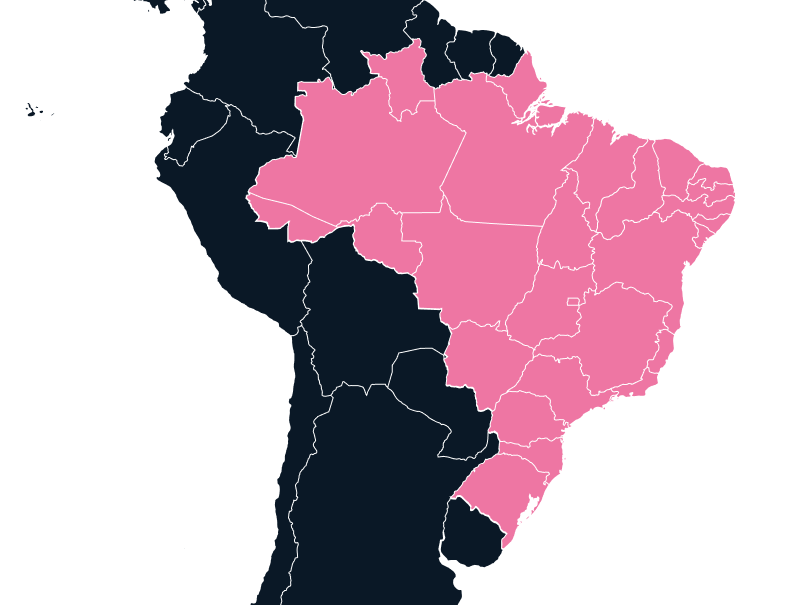
Brazil is South America’s largest economy and accounts for around 60% of all data center investment in Latin America. It also has one of the world’s toughest customs regimes. All imports are processed through the Receita Federal and the SISCOMEX digital trade system, and understating the value of goods on an invoice can trigger a fine equal to 100% of the difference between the declared and assessed value.
Foreign companies need a locally registered importer with an active RADAR license and CNPJ. Telecom hardware requires ANATEL certification before dispatch; health technologies fall under ANVISA; and many products require INMETRO conformity assessments. Add a complex tiered tax system and forex risk, and an IOR like TecEx becomes essential.
Chile
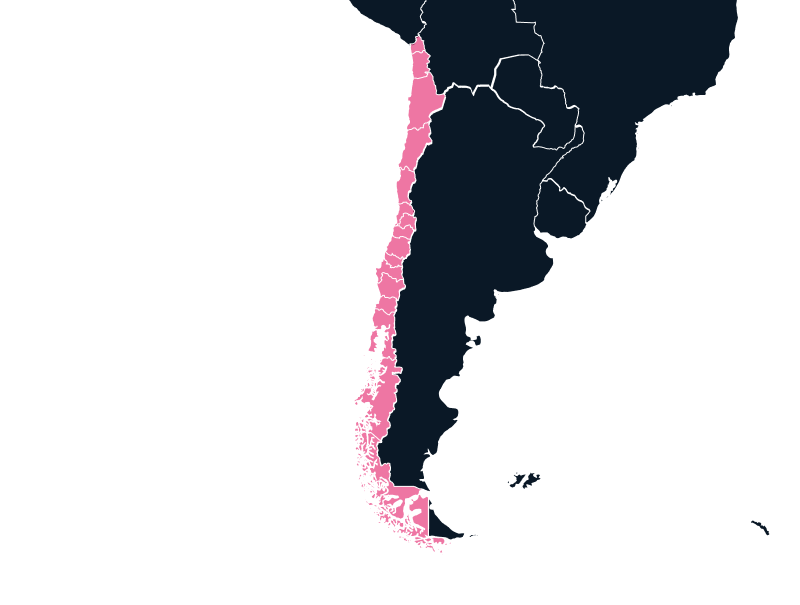
Chile is emerging as Latin America’s premier cloud and AI hub. It ranks first in the Latin American Artificial Intelligence Index, and its AI data center market is projected to grow at a 17.55% CAGR through 2031. With 33 trade agreements covering 65 markets and 88% of global GDP, Chile is a strategic destination for GPUs, servers, storage, and networking equipment.
Chile’s once-relaxed trade landscape is now tightly regulated. Customs can seize goods suspected of infringing trademarks or other IP rights, particularly semiconductors and storage devices. Electronics importers must comply with the REP Law, an extended producer responsibility scheme for e-waste. Foreign entities also need an IOR and must manage product classification, VAT, and customs obligations.
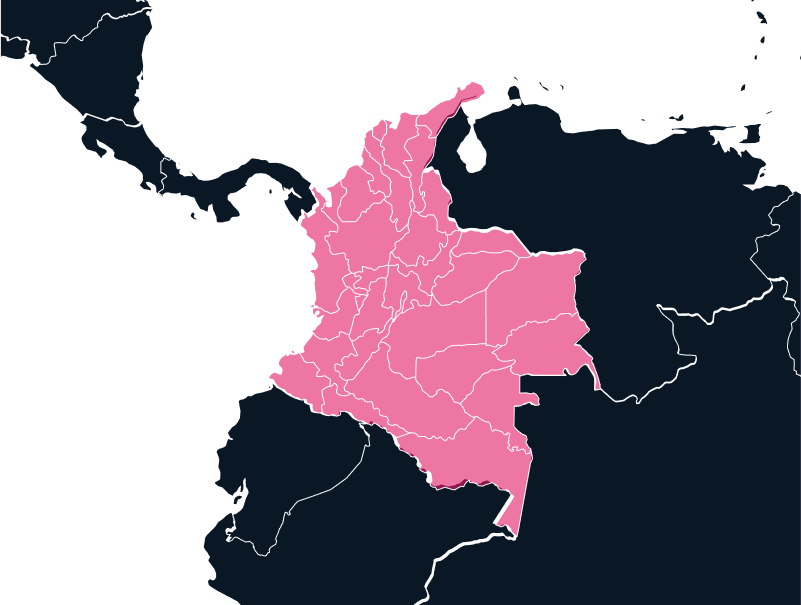
Colombia
Colombia’s data center market is projected to more than triple between 2025 and 2031, and most of its roughly 25 operational data centers are built to Tier III standards. Rising demand for AI infrastructure is making Colombia a hub for regional expansion and nearshoring.
It also has one of Latin America’s most compliance-intensive import frameworks. Importers need NIT and RUT registration, must register with MINCIT, and file Import Declarations with DIAN. Telecom equipment requires CRC homologation, electrical products need RETIE certification, and healthcare technologies need INVIMA registration. Refurbished goods require special permits, and plastic packaging is subject to the Single-Use Plastic Product Tax (IPSU). TecEx helps you navigate each requirement.
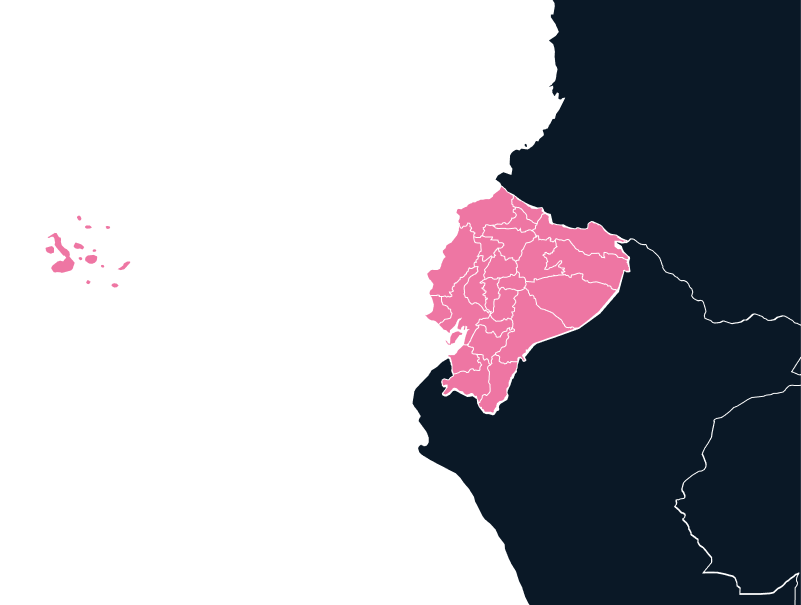
Ecuador
A smaller but growing South American market, Ecuador has introduced significant tax reductions on IT equipment to attract tech investment, particularly in telecommunications, now the country’s fastest-growing sector.
Logistical and compliance hurdles do, however, remain. Importers must register with the customs system (SENAE), obtain a tax number (RUC), and file through the ECUAPASS online platform. Imported products must also meet local standards enforced by the Ecuadorian Standards Institute (INEN) under the Ecuadorian Quality System Law.
Free Trade Agreements in South America
The Southern Common Market (Mercosur Bloc)
The Southern Common Market, also known as the Mercosur Bloc, is South America’s largest trade bloc, linking Brazil, Argentina, Paraguay, Bolivia, and Uruguay under a common external tariff and eliminating internal tariffs. It is the backbone of intra-regional trade and the framework through which most South American tech shipments move.
Manaus Free Trade Zone (Brazil)
The Manaus Free Trade Zone is a manufacturing hub for electronics with significant tax incentives, located in the Amazon region to encourage industrial development away from Brazil’s coastal cities. It is where much of Brazil’s domestic electronics assembly (phones, TVs, motorcycles) happens under reduced IPI and import tax rates.
Did You Know?
South America’s trade landscape has a nickname among economists: the “Spaghetti Bowl.” With 33 smaller, overlapping trade agreements, each carrying different rules of origin, trade is ironically more complex than it would be with a unified, overarching framework.
Import Anywhere into South America
Ready to Unlock South America Trade Solutions?
Whether you’re expanding into Brazil, sourcing from Central America, or optimizing your Latin American shipping strategy, the right compliance partner makes all the difference.
Let us help you turn regulatory challenges into a competitive advantage.


