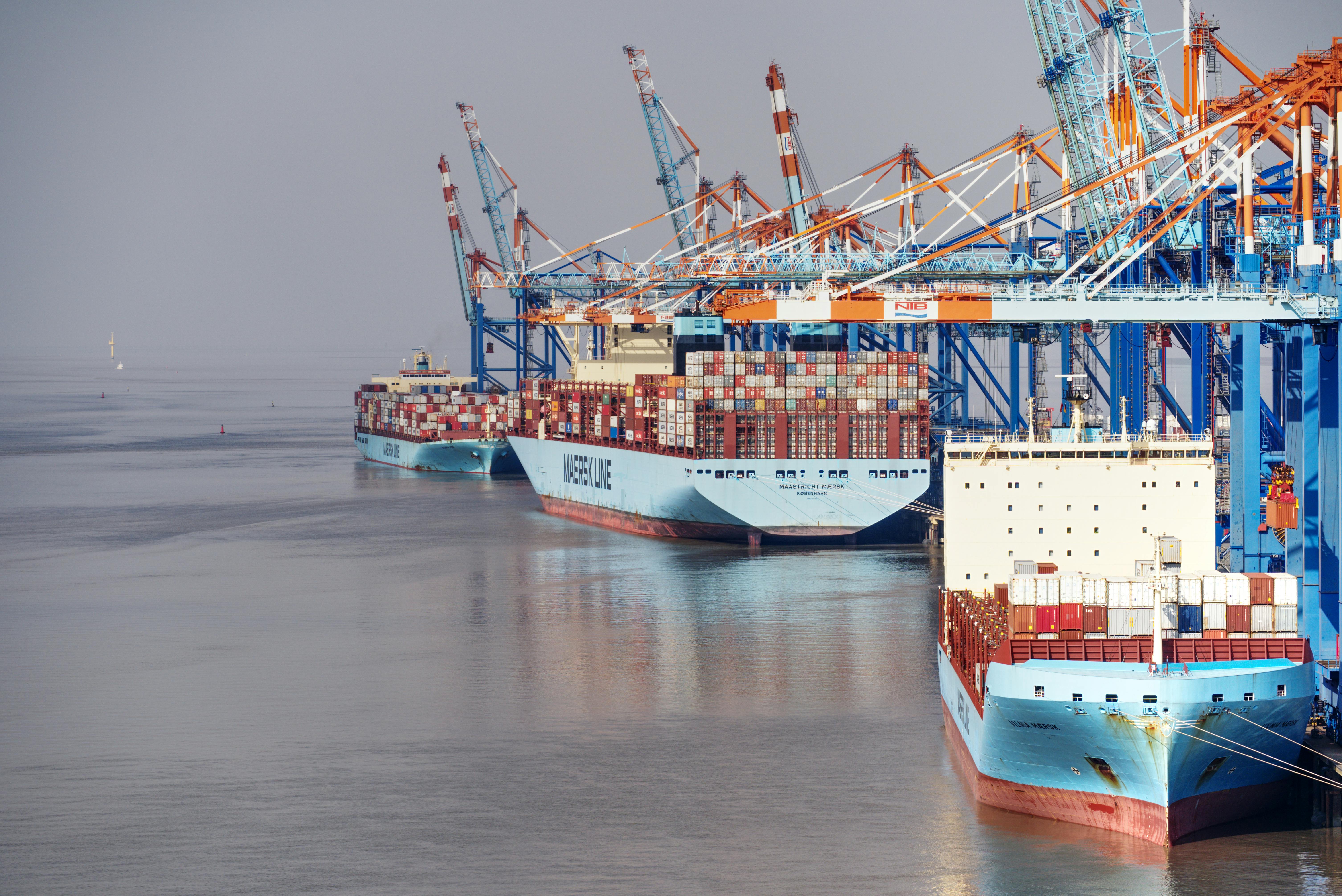
Global Events and Supply Chain Disruptions
Once a tranquil passage for merchants, the Red Sea has become a flashpoint highlighting the uncertain web of international shipping and its vulnerability to global events. Traversed by the Suez Canal, the Red Sea is a critical link, accounting for 12% of global trade volume and 30% of global container shipping volumes.
It’s the preferred route for Asian goods reaching Europe and vice versa, offering significant time and cost savings compared to the alternative Cape of Good Hope route. However, disruptions in this vital artery between the East and West have laid bare the risks to the world’s interconnected supply chains.

These operational disruptions pose distinct risks to the global economy. It’s estimated that disruptions can reduce corporate profits by as much as 40% and significantly contribute to increased global inflation.
The global supply chain, a complex web of interconnected processes moving goods from production to consumers, has faced numerous challenges in recent years. These challenges have caused shortages, delays, and price increases for a wide range of products.
Interruptions such as the ongoing war in Ukraine, have significantly disrupted supply chains. Furthermore, the COVID-19 pandemic’s lingering effects, extreme weather events due to climate change, politically based trade tensions and tariffs, labor shortages in certain sectors, rising energy costs, and chip shortages continue to threaten already unstable supply chains.
The Red Sea Disruptions | A Bottleneck on an Important Global Trade Route
Container shipping lines have been forced into abandoning moves to return to the Red Sea and Suez Canal route as fighting between Iranian, Israeli, and US forces escalated in 2026.
From 2023 to early 2025, there have been over 100 attacks on shipping vessels within the Red Sea channel. Amidst heightened security concerns, container ships are being diverted around the Cape of Good Hope to avoid attacks along the crucial international trade route.
The attacks against commercial vessels in the Bab-el-Mandeb strait between the Arabian Peninsula and the Horn of Africa since late November 2024 are part of an escalating campaign amidst continued conflict in the region. The result has been large-scale rerouting and logistical alternatives to avoid these waters.
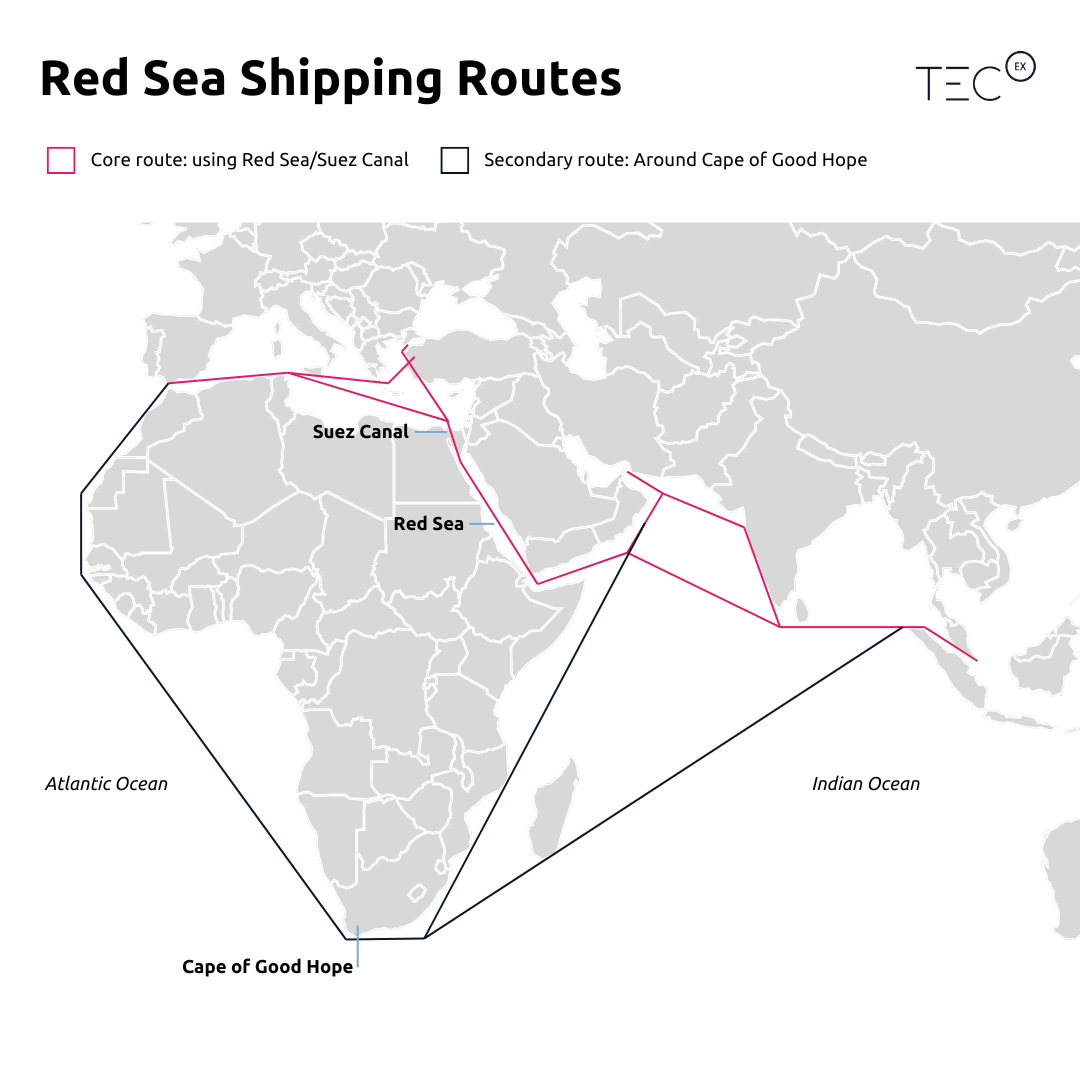
The rerouted journey around the African continent adds roughly 3000-3500 nautical miles (approximately 3700 miles), which equates to about ten extra days and higher costs for the journey. This, coupled with the lingering memory of Ever Given’s Suez Canal blockage, has highlighted the inherent risks of relying on single chokepoints. Further issues with alternative routes, such as the Panama Canal, have added delays and limited alternative options.
We urgently need safe passage restored. These trade routes keep food, medicine and energy moving across the world. Our members and the integrated global supply chain need a return to peaceful, safe and secure trade routes. – Marco Forgione, director general of the Chartered Institute of Export & International Trade
Impact of Red Sea Disruptions on Freight and Logistics
The Red Sea crisis has also sent shockwaves through the global supply chain, impacting logistics costs, slowing transit times, and hindering international trade. Shipping costs have surged, and freight rates have seen an 80% rise, as companies reroute ships or pay premiums for escorts. Air freight has also seen an increase in operations, which has led to higher prices and slower transit times to manage the higher demand.
Delays in shipping times and the increased demand for alternative solutions have also put enormous pressure on supply chains.
Incoterms and DDP: Navigating Risk in Uncertain Waters
The Red Sea crisis casts a long shadow beyond immediate disruptions, revealing the stark vulnerabilities of global trade and the urgent need for bolstered resilience.
Delivery Duty Paid (DDP)
Incoterms, standardized trade terms such as Delivery Duty Paid (DDP) or Ex Works (EXW), play a crucial role in navigating these choppy waters.
DDP, for instance, the seller is legally responsible for delivery, including the risks and customs fees, until the goods reach the buyer’s destination. This clarity in responsibility allocation helps mitigate risk and provides a framework for negotiations and settlements during disruptions.
TecEx will ship goods DDP on your behalf, taking on the risk and responsibility and ensuring the safety and efficiency of your shipment.
Supply Chain Risks in Troubled Waters
Downstream, the impact is far-reaching. Industrial supplies caught up in delays struggle to meet global delivery demands on time, triggering production slowdowns. Storage and demurrage costs have also soared as shipments that finally reach ports are left beyond the free time allocated by carriers.
As these factors take hold of the supply chain, the global implications will be massive. Rising workforce costs, production delays, and fuel price hikes will continue to stoke global inflation.
Building stronger partnerships with industry specialists, such as TecEx, can help businesses navigate future disruptions with greater agility and foresight.
We understand the challenges our clients are facing today in shipping between Europe and Asia due to the Red Sea conflict. The demand for shipping routes via the Cape of Good Hope has surged, and longer transit times and potential cost impacts are crucial considerations for our clients. At Tecex, we specialise in crafting tailored shipping solutions that not only navigate these challenges but also align seamlessly with your budget and project lead times. Our dedicated team is focused on optimising every facet of your shipping plan. We understand the value of time in the logistics landscape. In response to potential delays, we go the extra mile by streamlining transit routes where possible, expediting customs clearance, and arranging a reliable last-mile delivery.
~ Esmari de Wet, Head Account Manager
Don’t Let Red Sea Disruptions Halt Shipments
A change in circumstances is not likely, and rerouting away from the Red Sea is a viable solution for the foreseeable future. Navigating shipments alone is challenging. Use an expert Importer of Record to get goods into your desired destination.