Africa
Lane is Available
Export and Import into Mali
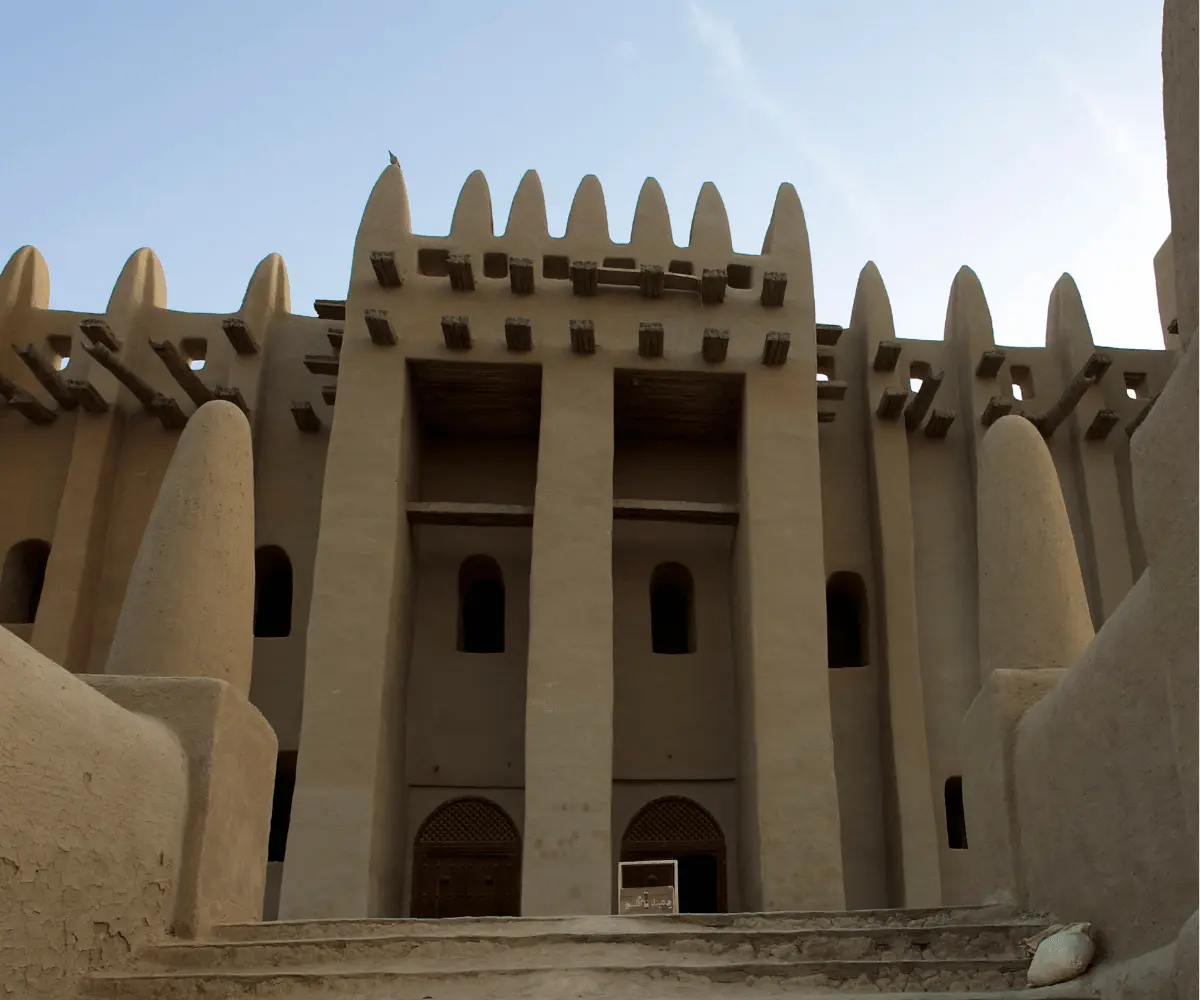
Mali, a landlocked country in West Africa, is an emerging market with untapped potential for tech trade and investment. Despite facing challenges such as infrastructure limitations, political instability, and complex customs regulations, Mali’s growing mobile penetration and digital transformation present significant opportunities for businesses looking to import into the country.

Tax
Up to 26%

Duty
Up to 20%

Lead Times
6-7 Weeks

Trade Restrictions
N/A

Best Carrier Option
Freight Forwarder

Non-Working Days
Saturday, Sunday, and Public Holidays

Prominent Languages
Bambara; French; Fulfulde; Songhay

The Current State of Importing into Mali
Mali’s economy is evolving, with sectors like agriculture, mining, and telecommunications dominating the landscape. The tech sector in Mali has also seen growth, particularly in mobile phone usage, where over 70% of the population subscribes to mobile services. The rising adoption of digital solutions has spurred demand for tech products, mobile apps, and software services, creating new opportunities for foreign companies looking to enter the market.
However, importing into Mali is not without its challenges. One of the most crucial aspects of the import process in Mali is understanding the role and responsibilities of an Importer of Record (IOR). This is especially important for companies that don’t have a local entity in the country. The IOR is the legal entity responsible for ensuring that imported goods comply with all applicable customs laws and regulations. Without an IOR in Mali, clearing goods through customs can become a complex and time-consuming task.
Population
25.2 M
Biggest Industry by Export
Gold
Capital City
Bamako
Biggest Industry by Import
Mineral Fuels, Oil, and Distillation Products
Key Trade Pain Points When Importing to Mali
Importing to Mali presents a set of unique challenges that businesses must navigate to ensure compliance and avoid delays. Here are some of the main pain points that foreign importers face when bringing goods into the country:
High Import Duties and Taxes
Mali imposes high import duties and taxes on certain categories of goods, especially tech products. For example, electronics and digital devices often attract steep import taxes, making them more expensive for local consumers and businesses. This limited affordability can be a barrier for many individuals and enterprises looking to access advanced technologies.
Customs Formalities and Regulatory Challenges
Mali’s customs regulations can be complex and difficult for foreign businesses to navigate. The introduction of a new customs code and Mali’s efforts to align with international conventions have improved the process somewhat, but the regulatory environment remains challenging. Businesses must be prepared to deal with paperwork, potential delays, and the intricacies of the country’s customs clearance processes.
Infrastructure Limitations
While improving, Mali’s digital infrastructure remains underdeveloped compared to more advanced markets. Despite relatively high mobile phone penetration, internet access is still limited, particularly in rural areas. These infrastructure gaps can hinder the smooth flow of goods and services, making logistics and communication more difficult for foreign companies.
Language Barriers
Many imported documents—especially in the tech sector—are often in English or French. While French is the official language of Mali, a large portion of the population speaks local languages such as Bambara. This can create a communication gap, particularly when trying to ensure that all paperwork is accurately understood and processed.
Political Instability
Mali has experienced political instability and governance challenges in recent years. Although it has left the West African Economic and Monetary Union (WAEMU), this political uncertainty can disrupt trade flows and create unpredictability for businesses looking to enter the market.
Top Countries that Trade with Mali
Europe
Switzerland
Asia
Bangladesh
How TecEx Can Help | Your IOR Partner in Mali
At TecEx, we understand the complexities involved in importing into Mali and are here to help streamline the process for you. We offer specialized Importer of Record (IOR) services that ensure compliance with all customs formalities and regulations in Mali.
With our Delivered Duty Paid (DDP) shipping solution, TecEx can act as your IOR in Mali, handling everything from pre-compliance checks to customs clearance, and ensuring the smooth delivery of your goods to any location in the country.
By partnering with TecEx, you can bypass the need to establish a local entity and focus on growing your business, while we take care of the regulatory hurdles and compliance requirements.
Key Benefits of Working with TecEx in Mali
Seamless Customs Clearance
TecEx simplifies the customs process, ensuring that your goods clear customs efficiently and in compliance with all regulations. We are experienced in handling the complexities of Mali’s import regulations, which can save you time and reduce the risk of costly delays.
Accurate Documentation
TecEx helps ensure that all necessary documentation is prepared in the correct language and format, reducing the risk of misunderstandings due to language barriers. We can assist with translations and verify that all paperwork complies with local laws and customs requirements.
Comprehensive IOR Services
With TecEx acting as your IOR in Mali, you can focus on expanding your business while we manage all the technicalities of importing. We take full responsibility for your goods until they are delivered to their destination, handling everything from import duties and taxes to last-mile delivery.
Localized Expertise
With our deep understanding of the local trade environment in Mali, TecEx provides localized expertise, ensuring that you comply with all necessary regulatory requirements, such as import permits and certifications, specific to the country.
Understanding the Mali Exporter of Record (EOR) Role
If your business also involves exporting goods from Mali, understanding the role of the Exporter of Record (EOR) is crucial. Just like the Importer of Record, the EOR is responsible for ensuring that exported goods comply with local and international export regulations. TecEx can also help businesses act as the Mali Exporter of Record (EOR), making the export process smoother and ensuring compliance with both Malian and global export regulations.
The Future of Importing into Mali
Despite the challenges, Mali’s growing digital adoption, government support for ICT development, and increasing mobile phone penetration are creating significant opportunities for tech imports. The government is actively working on policies to improve the regulatory environment, such as updating the ICT framework and focusing on expanding digital infrastructure. This makes Mali an increasingly attractive market for businesses in tech, agriculture, and other sectors.
How TecEx Simplifies the Import Process to Mali
Importing into Mali can be challenging, but with the right partner, it is a highly rewarding market. TecEx’s IOR services, local expertise, and ability to handle all customs formalities in Mali can significantly ease the process of bringing your goods into the country. Whether you are importing tech products, industrial equipment, or anything else, we ensure that your goods meet all regulatory requirements and are delivered on time.
Ready to take the leap into the Malian market?
Contact TecEx today to discuss a tailored solution for your import needs in Mali. Our team is ready to assist you every step of the way.