
Asia
Lane is Available
Importing to Guinea-Bissau
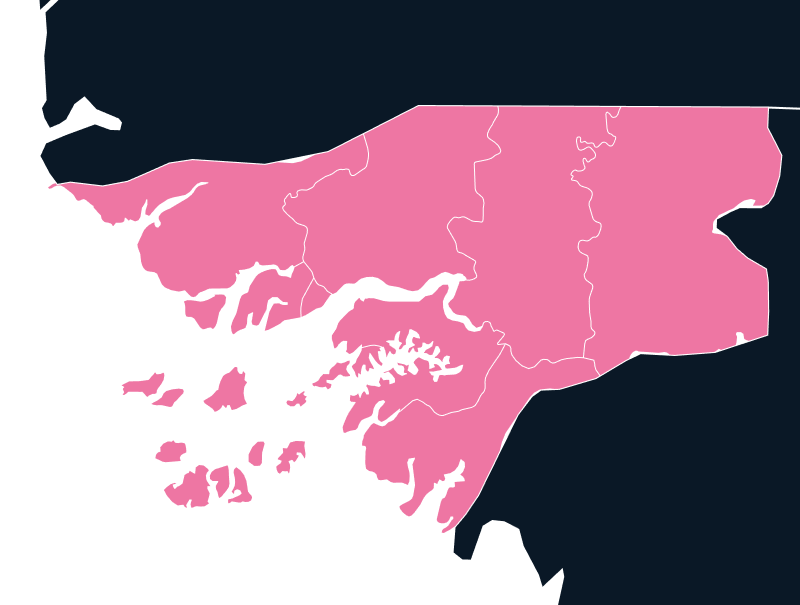
Guinea-Bissau, located on West Africa’s Atlantic coast, is emerging as a new destination for the deployment of tech hardware. However, limited infrastructure and evolving import regulations make compliance and logistics key considerations for businesses entering this market.
Tax
up to 19%

Duty
Up to 35%

Lead Times
2-4 weeks

Restricted Items
Weapons, Counterfeit goods

Best Carrier Option
Freight Forwarder and Ocean Freight

Non-Working Days
Saturday, Sunday, and Public Holidays

Prominent Languages
Guinea-Bissau Creole, Portuguese, Fula, Balanta

Trade Landscape of Guinea-Bissau
Guinea-Bissau sits along the West African coastline, strategically positioned between Senegal and Guinea, with access to key regional trade routes. The country participates in several free-trade agreements, focusing on regional African integration and access to European markets that facilitate the movement of goods and the reduction of tariffs. Key agreements include the ECOWAS Free Trade Area (ELTS), the African Continental Free Trade Area (afCFTA), and the WAEMU common market.
The government launched its national digital transformation strategy (ENTD.GW) in 2025, focusing on building a digital economy and modernizing public services. Establishments such as the Orange Digital Center are helping equip the local workforce with technical skills. Recently implemented blockchain-based systems in public sector administration signal the initial adoption of advanced technologies.
Population
2.2 M
Biggest Industry by Export
Cashew Nuts
Capital City
Bissau
Biggest Industry by Import
Rice
As of 2026, the country remains in the early stages of digital transformation but is steadily building toward becoming an emerging market. Guinea-Bissau is attracting increased attention from international development partners and telecom operators investing in infrastructure, thereby improving connectivity through government-led digital initiatives. Gradually enabling the import, export, and deployment of IT hardware.
Importing to Guinea-Bissau | Challenges and Pain Points
Despite its idyllic image, Guinea-Bissau’s trade environment is anything but simple. For global companies eyeing opportunities in West Africa, here’s what you need to know:
Infrastructure Constraints
While infrastructure improvements are underway, Guinea-Bissau still faces limitations in port efficiency, road networks, and consistent electricity supply. These factors can impact delivery timelines, particularly for sensitive tech hardware that requires stable handling and storage conditions.
Low Digital Adoption
Limited access to digital devices and relatively low levels of digital literacy can affect deployment at scale. Businesses entering the market may need to account for additional support, training, and longer implementation timelines when rolling out IT infrastructure.
Regulatory Complexities
Import procedures in Guinea-Bissau can be manual and documentation-heavy, increasing the likelihood of delays if requirements are not met precisely. Customs authorities often require strict adherence to documentation and product classification, making compliance a critical factor in successful delivery.
Political and Operational Uncertainty
Periods of political instability and administrative inefficiencies can impact customs processing times and overall trade reliability. Businesses should plan for potential disruptions and work with experienced partners who understand the local landscape to mitigate risk.
Top Countries Trading with Guinea-Bissau
Asia
China
Asia
Singapore
Asia
Vietnam
How TecEx Simplifies Imports into Guinea-Bissau
Shipping into Guinea-Bissau demands precise compliance execution in a market where processes are still evolving. TecEx enables seamless delivery through our Delivered Duty Paid (DDP) solution, managing every aspect of the shipping process from origin to final destination.
By acting as your in-country partner, TecEx takes on the role of Importer of Record (IOR) or Exporter of Record (EOR), assuring that all duties, taxes, and regulatory requirements are handled correctly. Where timelines or infrastructure constraints require flexibility, TecEx can support with secure warehousing solutions, enabling staged deployments and controlled distribution within Guinea-Bissau.
With deep trade compliance experience across emerging African markets, TecEx anticipates the nuances of shipping into Guinea-Bissau – ensuring your IT and telecom equipment arrive compliantly, efficiently, and ready for deployment.
Specific Compliance Regulations for Trade in Guinea-Bissau
Commercial Invoice
Clearly outlines the value, description, and HS classification of goods to support duty and tax calculations.
Bill of Lading / Airway Bill
Serves as proof of shipment that is required by customs for cargo clearance and release.
Packing List
Details the contents, quantities, and packaging configuration of the shipment for inspection purposes.
Certificate of Origin (COO)
Confirms the origin of goods and may influence duty rates under regional trade agreements.
Pre-shipment Inspection Certificate (CoC)
Verifies conformity of goods to local standards where applicable, preventing clearance issues on arrival.
Shipping to Guinea-Bissau?
Fill in the form to get in touch with us, and our experts will contact you with a customs compliance solution to suit your needs.