• Blog

The Global IT Rollout Checklist: What Procurement Teams at Enterprise Firms Get Wrong

Ashlea Forrest

4 minutes

May 4, 2026

Global IT Rollout Deployment

Are you entering a new market or scaling a global IT rollout?


For many enterprise organizations, international IT deployment has become a core pillar of digital transformation. With 97% of companies already implementing or planning to embark on an enterprise-wide AI transformation, the race to deploy infrastructure across borders is accelerating fast.


Large enterprises, especially auditing and consulting firms, are now rolling out agentic AI at scale to improve efficiency, enhance audit quality, and stay competitive.


Global IT rollouts, however, are becoming a compliance challenge, leading to delays, increased costs, and significant operational complexity.

The Complexity Behind Global IT Rollouts

AI is often framed as a software-driven revolution. In reality, it is dependent on physical infrastructure.


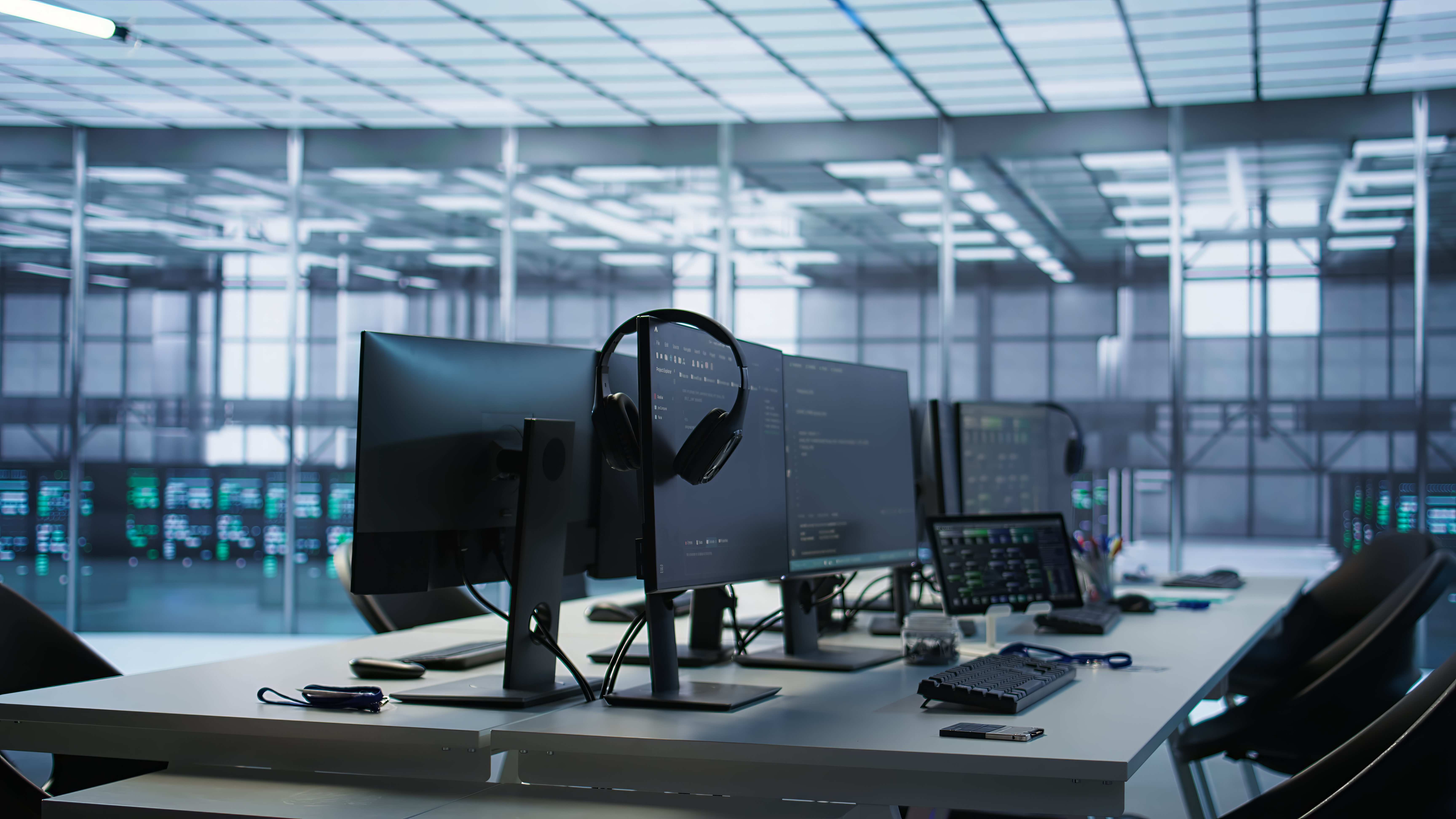
Behind every global IT rollout lies a complex web of physical infrastructure, devices, servers, and networking equipment that must move across borders quickly and compliantly. This is where many enterprise teams run into trouble.


The reality is that enterprises will need to:


  • Equip employees with AI-capable hardware,
  • Expand offices in new regions, and
  • Standardize devices across multiple countries.


To stay competitive, ensuring these global IT rollouts are executed efficiently and effectively is essential.
The Global IT Rollout Checklist:

Global IT rollouts introduce a new layer of operational complexity. Each country has its own import rules, tax structures, and compliance requirements, making it extremely difficult to navigate imports and exports. If you are not clued up on tech trade, one wrong move could lead to detrimental delays, fines, and operational disruptions.


We have created a checklist to help ensure enterprises remain compliant with global IT rollouts:

  • 1) Are Your HS Codes Accurate?

    HS codes are the foundation of seamless global trade. Each product is assigned a 6-digit code that allows customs officials to identify the product and apply the appropriate import duties and taxes. Identifying the correct HS code can be a challenge for large enterprises. With a vast range of products, varying classification requirements across countries, and the need to stay up to date with ever-changing regulations, the process can quickly become complex and confusing. Even a single incorrect HS code can delay an entire deployment, potentially costing your

  • 2) Are Incoterms Clearly Defined, and Do You Know the Risks?

    Having clearly defined incoterms is the next most important step. Incoterms define exactly how responsibility, cost, and risks are shared (between parties/ the exporter and end user). If you use the wrong incoterm, responsibility can fall to the wrong party, leading to confusion about who is responsible and further increasing the risk of delays.

  • 3) Have You Checked if Your VAT Is Recoverable?

    AI infrastructure is expensive and is a massive investment for enterprises, making VAT a major cost factor. Tech hardware often has tax rates of up to 25%, making it crucial for enterprises to recover their VAT where possible. Having an in-depth VAT efficiency solution is crucial for saving your enterprise money and staying ahead of the game.

  • 4) Who Is Acting as the Importer of Record?

    The last common and costly mistake in global IT rollout compliance is confusing a customs broker with an Importer of Record (IOR). Enterprises often assume that a customs broker handles the import of their tech goods. This, however, is not the case. A customs broker helps facilitate the clearance process, while the IOR helps get your goods through customs, and also acts as the legal entity.


    If your enterprise does not have a legal entity in the destination you are importing into, your shipments may be held at customs, halting your AI deployment. Misunderstanding the role of an Importer of Record compared to a customs broker is a frequent and costly error.


    An Importer of Record will help:

    – Classify your goods accurately with the correct HS code,

    – Gather all the needed documentation for your IT goods to clear customs,

    – Pay all the duties, tariffs, and taxes on your behalf,

    – Choose the correct incoterm for your shipment,

    – Gather all the necessary licenses and permits needed for each specific item and country, and

    – Optimize your shipment for VAT efficiencies.

Global IT Rollout Compliance: From Risk to Competitive Advantage


AI transformation has become a competitive race. The reality, however, is that your rollout is only as fast as your slowest border clearance. Global IT rollout compliance determines whether your AI infrastructure:

procurement

Arrives on time.

procurement

Clears customs without issues.

procurement

Is deployed without any unexpected costs.

Enterprises that get this right move faster, scale smarter, and gain a meaningful competitive edge. This is where an Importer of Record becomes essential for your enterprise. By taking on legal responsibility, ensuring compliance, and supporting VAT recovery, an IOR removes one of the biggest barriers to global scaling.