
Asia
Lane is Available
Importing and Exporting to Cyprus
Cyprus, a Mediterranean jewel with its growing technological landscape, is an increasingly attractive market for international trade. If you’re considering importing or exporting to Cyprus, whether in IT or data center hardware, understanding its regulatory framework is key to unlocking its full potential.
Tax
Up to 19%

Duties
Up to 7%

Lead Times
2-3 Weeks

Restricted Items
N/A

Best Carrier Option
Courier or Freight Forwarder

Non-Working Days
Saturday, Sunday, and Public Holidays

Prominent Languages
Greek and Turkish

Cyprus | A Rising Tech Hub
Cyprus is positioning itself as an emerging technology hub in the heart of Europe. With its EU membership, strategic location, and access to markets in the Middle East, Cyprus offers a promising market for the IT hardware, cloud services, and data center industries. The island’s government is actively fostering growth in these sectors through forward-thinking initiatives aimed at boosting technological development, including cloud accessibility, artificial intelligence, and digital transformation.
While Cyprus is a land of opportunity, there are complexities involved in exporting to this island nation. Foreign businesses entering the market need to navigate customs regulations, adhere to the necessary import documentation, and ensure compliance with local laws. Understanding the country’s import tariff structure, tax policies, and EORI number requirements can make the difference between a successful and smooth market entry and costly delays.
Population
1.37M
Biggest Industry by Export
Passenger and Cargo Ships
Capital City
Nicosia
Biggest Industry by Import
Refined Petroleum
Trade Pain Points When Exporting to Cyprus
Navigating trade in Cyprus involves more than just knowing how to ship your goods. Understanding the nuances of import tariffs, documentation, and labeling is vital to avoid costly mistakes. Cyprus’ customs processes, while aligned with European Union (EU) directives, have unique complexities that can create headaches for foreign businesses.
Here are some of the key pain points:
EORI Number:
Cyprus requires all businesses engaging in trade with the EU to register for an Economic Operators Registration and Identification (EORI) number. This number is crucial for both imports and exports and ensures compliance with EU customs regulations. The process can be complex, especially if you’re based outside Cyprus and need to coordinate with multiple customs agencies.
Import Tariffs and Tax Rates:
While Cyprus has adopted the EU’s Common Customs Tariff (CCT) for third countries, businesses must be aware of different tariff structures. Products from Türkiye and other EU member states may benefit from reduced tariffs, while goods from other non-EU countries can face higher tariffs. Additionally, Cyprus imposes a VAT rate of 19% on most goods, with some exceptions.
Customs Clearance:
Importing goods into Cyprus requires several key documents, including invoices, delivery orders, and packing lists. Failing to provide the correct paperwork can lead to delays at customs or even fines.
Labeling Requirements:
Cyprus enforces stringent product labeling laws, particularly when it comes to consumer goods. Imported products must have clear safety warnings and labels in Greek. While this is not mandatory in the Turkish Cypriot-administered areas, it is critical for businesses operating within the Republic of Cyprus (ROC) to comply with these regulations.
Despite these challenges, Cyprus remains an attractive destination for businesses willing to understand and navigate the international trade process. And that’s where TecEx comes in.
Top Countries that Trade with Cyprus
Europe
Greece
Asia
Lebanon
TecEx Solutions for Exporting to Cyprus
Exporting to Cyprus doesn’t have to be a difficult or stressful experience. With our expertise, we can simplify the process of entering the Cypriot market and help you tackle every challenge along the way. From ensuring compliance with EORI number requirements to offering a streamlined DDP air shipping service to Cyprus, TecEx is your trusted partner in international trade.
EORI Number Registration
As a crucial step for trading with Cyprus and other EU countries, obtaining an EORI number can be a daunting process. TecEx handles the entire registration process for you, ensuring that you receive your number on time without the hassle of dealing with complex paperwork or confusing customs procedures.
Navigating Tariffs and VAT
Understanding the nuances of the Cypriot tariff system can be tricky. Our team will guide you through the process of determining the correct import duties and VAT rates for your products. We’ll ensure that you are fully compliant with the tax and customs system so your goods move smoothly through Cypriot customs.
Documentation and Customs Clearance
TecEx ensures that your shipments are accompanied by all the necessary documentation, including delivery orders, invoices, packing lists, and any additional documents required for specific goods. We’ll work directly with Cypriot authorities to clear your goods quickly and efficiently.
DDP Air Shipping Service to Cyprus
For businesses requiring fast and reliable shipping, our DDP (Delivered Duty Paid) air shipping service to Cyprus is the perfect solution. This service provides a door-to-door delivery option, meaning that all customs duties and taxes are included in the shipping cost. With DDP, you won’t have to worry about unexpected fees or delays at the border.
Compliance with Labeling and Safety Standards
Our team will also ensure that your products meet Cyprus’ labeling and safety standards. We manage all the regulatory requirements, so you don’t have to worry about fines or delays due to labeling violations.
Why Cyprus?
Cyprus is an island of opportunity for businesses, especially those involved in technology, IT hardware, and data centers. With its growing role in the EU, the island offers access to a wealth of emerging markets in both Europe and the Middle East. Moreover, its governmental initiatives to promote technological advancement and digital services make it a perfect location for exporting goods in these sectors.
However, understanding the country’s import regulations is critical. By partnering with TecEx, you can navigate the complexities of customs procedures, tariffs, and VAT rates with ease. Our team’s experience ensures that your business will benefit from a smooth and efficient trade process, whether you’re importing from the EU, Türkiye, or other international markets.
Contact us today to learn more about how we can simplify your Cyprus import/export journey and help you take advantage of this exciting market.
Trade and Economic Divide Between the Republic of Cyprus and Northern Cyprus
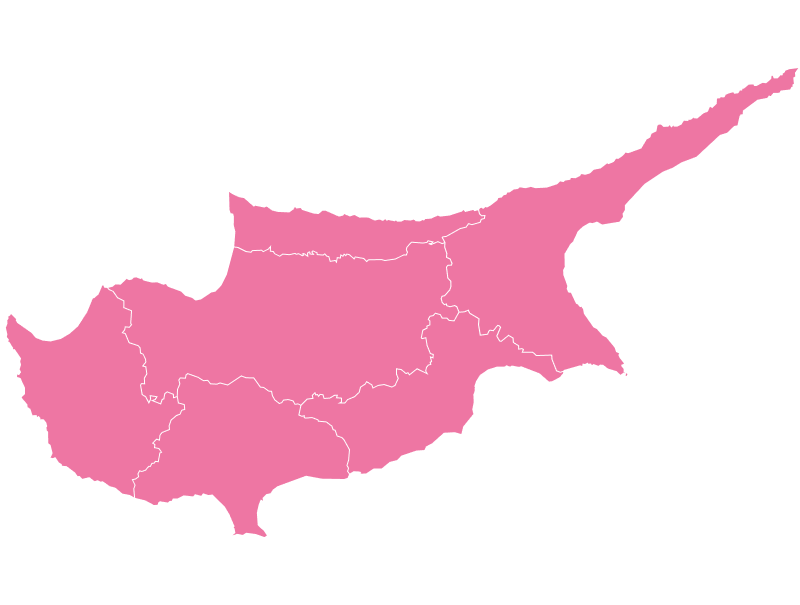
The differences in trade and economic conditions between the Republic of Cyprus and Northern Cyprus are striking. These disparities are rooted in the island’s ongoing political division and the contrasting levels of international recognition, which shape everything from market access to logistics.
The Republic of Cyprus
Northern Cyprus
International Recognition and Trade Access
Internationally recognized state and a full member of both the European Union and the Eurozone.
Full access to the EU’s internal market and the benefits of EU trade agreements.
Legal and regulatory frameworks are aligned with EU law, providing businesses and investors with a stable and transparent environment for trade and investment.
Recognized only by Turkey.
Lack of international recognition significantly limits its ability to engage in global trade.
International embargoes prevent direct trade and flights with most of the world. Air travel and exports from Northern Cyprus must route through Turkey, adding layers of complexity and cost.
Major Trade Partners and Orientation
Maintains strong trade relations with the EU, especially with countries like Greece and the UK, as well as with partners in the Middle East and Russia.
Exports a wide range of goods, including agricultural products, along with manufactured items.
Beyond goods, the Cypriot economy is heavily service-oriented, with key sectors including tourism, shipping, real estate, and financial services, which contribute to its status as a regional economic hub.
Trades almost exclusively with Turkey, which accounts for the vast majority of both its imports and exports.
Export activity is relatively limited, focusing primarily on agricultural products, as well as some light industrial goods.
The economy relies primarily on tourism, agriculture, and education. Its financial services sector is far less developed than that of the Republic of Cyprus.
Imports and Logistics
Imports a wide range of goods, including petroleum and petroleum products, machinery, and various consumer goods.
Benefits from open, internationally recognized ports and airports, which ensure efficient and competitive logistics for both imports and exports.
Heavily reliant on Turkish imports. Although goods from the EU, the United States, and other global markets can be found in local shops, they usually arrive via Turkey, adding time and cost.
Lack of recognized ports means that all international cargo must also be routed through Turkey. These logistical hurdles create inefficiencies and delays that hinder broader trade development.
Limited Inter-Cypriot Trade
Trade between the Republic of Cyprus and Northern Cyprus is possible but limited in scope. Under the European Union’s Green Line Regulation, certain goods produced by Turkish Cypriots can be sold across the UN-controlled buffer zone to the South. However, these exchanges are tightly regulated and modest in volume, making up only a small share of either side’s overall trade activity.
Your Global DDP Solution for Importing and Exporting from Cyprus
Fill in and submit the form, and our DDP experts will contact you with a comprehensive import/export solution for Cyprus.