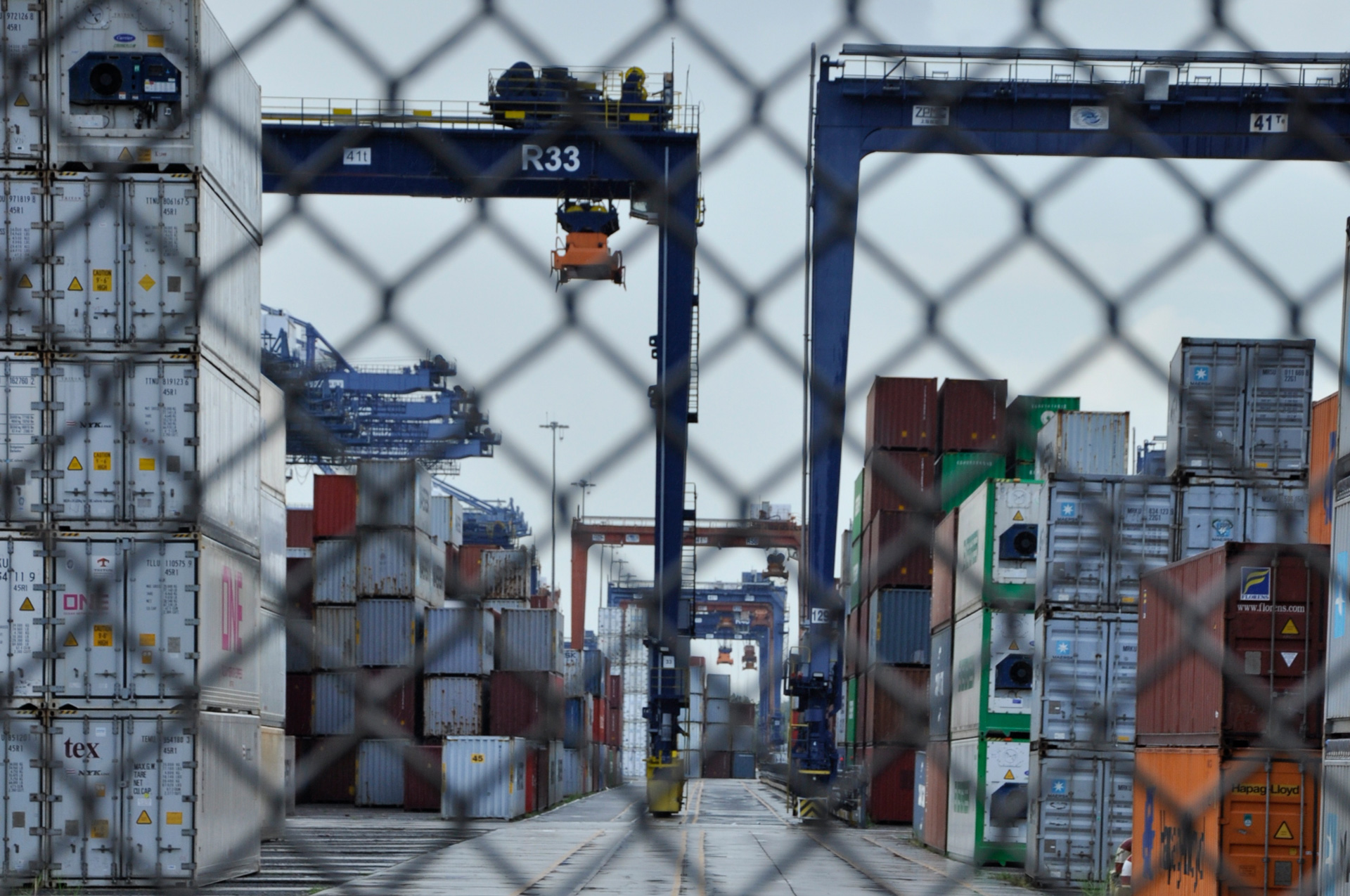
Global trade is increasingly interconnected but unpredictable, with new challenging import countries arising. The most significant risks to tech traders today include shifting tariffs, new compliance systems, dual-use controls, and local content rules. Importing to challenging countries without expert guidance can cause costly delays, penalties, and stuck shipments.
The USA
America currently holds one of the most complex and politically volatile import markets. Rapid policy shifts and changing tariffs create a challenging import landscape. Non-compliance may result in significant penalties, long-term scrutiny, forfeiture of goods, and even jail time.
Changing Trade Policies
High tariffs and strict transshipment rules have created high risk in 2025, leading to manufacturers relocating, increased volatility in freight rates, and prompting importers to frontload their imports. Although some duties have been lifted through new trade deals, high-value sectors such as AI and semiconductors may face new tariffs or export controls in 2026. Ongoing trade remedy investigations, such as Section 301, also often result in new tariffs, controls, and sanctions.
Ongoing US-China Tensions
The US-China truce brings temporary calm, but the delay on China’s newest export controls on rare earths and critical minerals, vital for technologies like semiconductors and EVs, expires in November 2026. Tech companies should scenario plan and consider alternative suppliers as a precaution.
Domestic Chaos
More volatility emerged from internal US conflict, as the government shutdown caused significant disruptions to air cargo operations, particularly for domestic shipping. International and domestic movements of sensitive technology are also facing a higher risk of cargo theft, meaning tech importers need specialized logistics and liability cover to protect their equipment.
Suspension of the De Minimis Exemption
America indefinitely suspended the de minimis exemption for lower-value imports, exposing all imports to meticulous customs processes. Chinese exporters are seeking other markets in Asia and Europe, while Europe plans to end its own de minimis rule in 2026.
US importers and buyers must continually stay up-to-date with evolving trade policies and ensure accurate product classifications, valuations, and compliance to avoid severe penalties.
China
China is tightening control over foreign businesses while facing external restrictions, making it a challenging import country. Importers must navigate complex certifications, high tariffs, and sanctions.
General Challenges of Importing to China
Most imported products must have the China Compulsory Certificate (CCC) to ensure that they meet China’s product standards. Additionally, imports may be subject to VAT rates ranging from 6% to 13% and import duties of up to 25%, further increasing import costs.
China’s Domestic Focus
The Made in China 2025 (MIC) initiative creates a preference for local suppliers. It aims to position China globally as a high-tech powerhouse, reduce its reliance on foreign tech imports, and ensure competitiveness. This impacts sectors such as aerospace, energy-saving technology, medical devices, new IT, new materials, and power equipment.
Trade Tools Used By and Against China
China has increasingly implemented harsh trade remedies to reduce its overreliance on Western companies. At the same time, foreign governments have targeted China with controls such as licenses for advanced chips. From late 2026, China may face controls on US critical software.
China remains a manufacturing powerhouse, but increasing self-reliance creates greater compliance complexity, slows innovation, and heightens risk for foreign tech entering the market.
Tech companies importing to China must monitor changing import regulations and trade remedies to ensure compliance and safeguard operations.
India
India’s import landscape for tech is increasingly complex, with local content requirements, import management systems, and certification rules shaping how technology enters the country.

Restrictions on IT Hardware
India has an import management system to track the quantity and value of imports of items that fall under HSN code 8471, like data processing machines, laptops, PCs, processing units, and servers. Exemptions from import licensing requirements are available for items imported as capital goods or imported into designated locations, such as Special Economic Zones (SEZs), but IOR guidance is vital to ensure compliance .
Local Content Rules
The Public Procurement (Preference for Make in India) (PPP-MII) policy encourages government procurement to prioritize domestic industries over imported items, affecting sectors such as telecom, IT, and electronics. As of June 2026, the use of domestically manufactured solar cells has been mandated for government projects in India.
The National Telecom Policy-2012 (NTP-2012) and the resulting National M2M Telecom Roadmap also support the “Make in India” initiative, encouraging preference for domestically-manufactured telecom equipment to prevent malware and develop India’s expertise.
Certifications for Tech Imports
Key certifications for India include the Mandatory Testing and Certification of Telecom Equipment (MTCTE) and the Telecommunication Engineering Centre (TEC) for telecom gear, a Bureau of Indian Standards Certificate for electronics, and Equipment Type Approval (ETA) certification for wireless devices. Because tech hardware is often classified as dual-use, importers may need export-control licenses (SCOMET) for specific items.
Importers must also comply with Extended Producer Responsibility (EPR) regulations to manage electronic waste.
VAT and Logistics Challenges
To discourage imports, India has high import taxes. For example, electrical wiring, gaming consoles, and semiconductor equipment are subject to a GST rate of 18%.
On the logistics side, delays at customs are common due to the complexity of documentation, unpredictable tariffs, and port congestion. Import duties are unstable and not always transparent. These factors can lengthen lead times and increase the risk of demurrage, revaluation, and shipment rejections.
Importers shipping to India must ensure compliance with restrictions, certifications, and content laws. It’s best to work with an IOR to minimize risks and keep shipments moving.
Indonesia
Indonesia’s mix of dual-use regulations, local content requirements, and emerging data localization laws makes it a challenging import country.

The Green, Yellow, and Red Channels
Indonesia’s customs clearance operates through a three-tier channel system, which directly impacts project timelines:
Green Channel: The import clears customs with minimal intervention.
Yellow Channel: The import undergoes document checks.
Red Channel: The import is subject to a physical customs inspection.
Tech imports are frequently subject to the red channel if they’re dual-use, high-value, or high-risk. This puts sensitive tech at risk of mishandling and damage, so it’s crucial to work with an experienced IOR like TecEx to reduce your risk.
Strict Regulations
Importers must comply with strict regulations, including pre-shipment inspection, cargo notification, and dual-use regulations. Duties can also be unpredictable, as frequent tariff updates, product reclassifications, and discretionary customs valuation influence them.
Local Content and Data Storage Rules
Indonesia’s local content rule, Tingkat Komponen Dalam Negeri (TKDN), requires a specific percentage of domestic contribution in goods or services. For example, 4G and 5G electronics have a TKDN requirement of 35%. Importers must be prepared to calculate and verify the content of their imports.
Additionally, Indonesia has a growing data center market and is pushing for data sovereignty. Under the Personal Data Protection (PDP) Law, companies that handle Indonesian personal data may be required to localize sensitive data.
Importing to Indonesia requires TKDN compliance and adherence to local data storage laws, as well as meticulous risk management to mitigate the risk of red channel inspections.
Saudi Arabia
Saudi Arabia requires tech importers to navigate rigorous certification standards, local registration obligations, and detailed customs procedures to ensure compliant imports.

SASO and SABER | SCoC, PCoC, and SQM
Saudi Arabia enforces strict product certification rules through SASO. Regulated products need to be registered on the SABER system and obtain both a Product Certificate of Conformity AND a Shipment Certificate of Conformity (PCoC and SCoC). These can only be given to a locally registered entity. Many tech imports also require the Saudi Quality Mark (SQM) to be certified for sale in Saudi Arabia. Non-compliant shipments will likely be held by customs and returned, and even compliant shipments can face delays due to thorough customs processes.
Commercial Registration (CR)
Without a CR, it’s impossible to clear customs. Obtaining a CR involves domestic corporate registration, local licensing, and ongoing compliance obligations, which many companies require a third-party IOR to achieve.
Tech importers must maintain up-to-date compliance with Saudi Arabia’s complex requirements, certificates, and local commercial registration.
Other Challenging Import Countries | Regulatory Changes to Note in 2026

Importers should note a range of incoming and recent regulatory changes affecting tech trade going into 2026, such as:
Get Your Tech to Challenging Import Countries
Global trade is becoming increasingly complex, with shifting rules, rising tariffs, and stricter compliance requirements arising in every corner of the globe. Don’t let these challenges slow your global ambitions. Partner with TecEx to navigate risk, stay compliant, and get your tech where it needs to go.