Europe
Lane is Available
Import to Syria
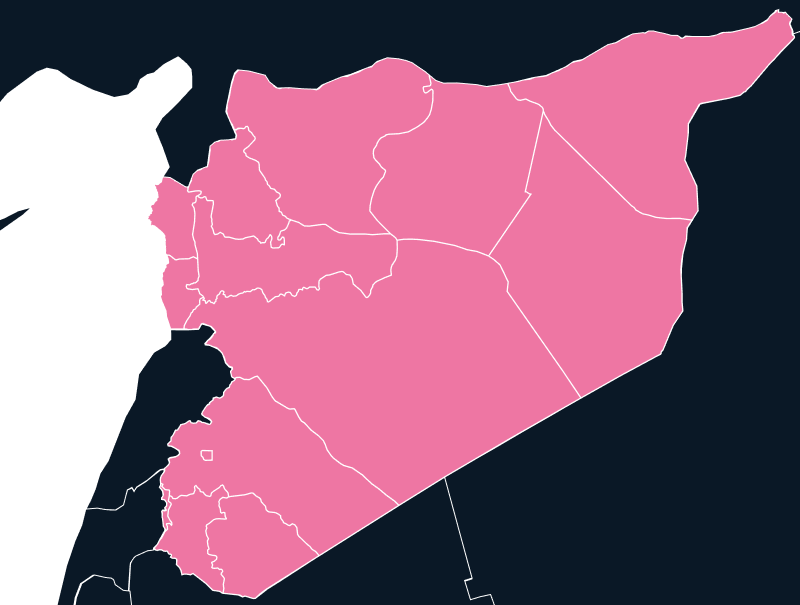
For international shippers, distributors, and compliance teams, Syria is best described as conditionally open: trade is possible, demand is strong, and reconstruction priorities are clear, but regulatory diligence remains essential. To import to Syria is a complex, evolving frontier market filled with opportunity.
Tax
Up to 35%

Duty
Up to 20%

Lead Times
5-7 Weeks

Restricted Items
Second-Hand and Refurbished Goods are HS Code-Dependent

Best Carrier Option
Courier or Freight Forwarder

Non-Working Days
Friday, Saturday, and Public Holidays

Prominent Language
Arabic

Understanding Syria’s Import Landscape
Syria’s imports are steadily increasing as the country reconnects with regional and international trade networks. After years of restricted access to global supply chains, regulatory reforms and updated sanctions frameworks have created a more accessible (yet still carefully regulated) environment for technology, infrastructure, and industrial goods.
Key Trends Driving Syria Imports
Digital infrastructure first: Data center hardware, enterprise servers, fiber optic equipment, and grid components are in high demand.
Energy as a bottleneck: Frequent outages continue despite large-scale agreements such as the $7 billion energy partnership led by Qatar. Reliable power remains the number one constraint to digital transformation.
Regional reintegration: Trade corridors connecting Turkey, Syria, and Jordan are reopening, positioning Syria as a potential Levantine logistics hub.
Population
26.2 M
Biggest Industry by Export
Olive Oil
Capital City
Damascus
Biggest Industry by Import
Refined Petroleum
Recent regulatory changes from the United States, the European Union, and Canada have significantly eased broad sectoral restrictions. The repeal of the Caesar Syria Civilian Protection Act in late 2025 was a major step in clarifying export pathways for civilian technologies.
Syria’s focus is on enabling reconstruction and civilian connectivity while maintaining oversight for sensitive or dual-use items.
Syria Customs | What Importers Must Know
Even with eased sanctions, Syria’s customs procedures remain detailed and documentation-heavy. Compliance missteps can lead to shipment delays, revaluations, or confiscations.
-
Importer of Record (IOR) Requirements
In Syria, the Importer of Record holds full legal responsibility for goods upon entry.
To act as IOR, the entity must:
Be locally registered in Syria
Hold a valid import license from the Ministry of Economy
Manage currency disclosure documentation
Ensure compliance with sanctions screening requirements
For foreign tech companies without a legal presence in Syria, partnering with a specialized IOR provider is essential.
-
Mandatory Documentation – The “Golden Set”
To clear tech equipment through Syrian customs, the IOR must present:
Commercial Invoice (with serial numbers for high-value electronics)
Packing List
SY-TPRA Type Approval Certificate (where applicable)
Clean Report of Findings (CRF) from inspection agencies such as SGS or Intertek
Without this documentation, clearance can stall indefinitely.
-
Technical Compliance & Type Approval
The Syrian Telecommunications and Post Regulatory Authority (SY-TPRA) requires:
Type approval for Wi-Fi, Bluetooth, 4G/5G, and radio-enabled devices
Safety compliance under IEC 62368
Labeling (physical or approved digital label)
Failure to obtain SY-TPRA certification prior to shipment is one of the most common compliance failures in Syrian imports.
-
Reference Pricing Risks
Syria applies variable duties depending on product classification and intended use. Syrian customs use reference pricing for electronics. If your invoice shows a significantly discounted price for a product, duties may be assessed based on the higher customs reference value instead of your transaction value.
This customs valuation discrepancy creates budgeting unpredictability unless pre-cleared with experienced customs advisors.
Unique Pain Points in the Syrian Market
Even with regulatory easing, there are operational realities to plan for:
Dual-Use and Encryption Controls
If importing high-capacity servers, advanced networking equipment, and non-standard encryption systems, you may need to provide technical datasheets or obtain export authorizations depending on the origin country regulations.
Used and Refurbished Equipment
Used technology imports are permitted but typically require a specific import permit, validity within a limited time window, and additional inspection documentation.
Planning ahead is essential to avoid permit expiration issues.
Banking and Payments
International firms may still prefer structured payment solutions such as escrow accounts, phased payment schedules, and offshore settlement channels.
Clear documentation of funds remains a best practice in compliance.
Countries That Trade With Syria
Asia
Saudi Arabia
Asia
Lebanon
Syria Embargo | What Importers Should Understand
The term “Syria embargo” still appears frequently in compliance discussions, but its scope has changed considerably.
What Has Eased
- Broad prohibitions on most civilian technology exports have been removed.
- License exceptions now apply to many categories of consumer and communications devices.
- EU and Canadian frameworks align more closely with reconstruction-focused trade policies.
What Remains Regulated
- Individual sanctions lists still apply to restricted parties.
- Military or defense-related items remain controlled.
- Advanced dual-use technologies may still require export licensing.
- Certain oil and gas applications remain subject to restrictions.
For most civilian tech exporters, the environment is no longer prohibitive, but it does require a structured compliance review before shipment.
Our specialized IOR services for Syria include:
Importer of Record representation
Export classification and dual-use assessment support
SY-TPRA type approval coordination
Customs valuation and HS code verification
Documentation management and inspection coordination
Structured financial compliance support
Why a Specialized IOR Matters for Syria Imports
Syria is a promising but compliance-sensitive market. The regulatory framework has evolved quickly, and import procedures require local expertise combined with international export control knowledge.
We focus on practical execution, ensuring your shipments meet Syrian customs requirements while aligning with current Syrian regulations in your country of export.
Ready to Import to Syria?
If your business is ready to import to Syria, we’re prepared to ensure your shipments move compliantly, efficiently, and without surprises.
Let’s turn regulatory complexity into a market opportunity.