Export classification is one of the most misunderstood areas of global trade compliance. Among all regulatory identifiers, the Export Control Classification Number (ECCN) plays one of the most critical roles in determining whether your shipment requires a license and whether you are legally permitted to export at all.
Quick Brief of ECCN Codes
ECCNs are vital codes assigned to items listed on the Commerce Control List (CCL), playing a pivotal role in export control classification. These codes help in categorizing items based on their technical specifications, capabilities, and potential applications. By assigning an ECCN, exporters can determine the necessary export licenses and any restrictions associated with the specific items.
ECCNs are instrumental in maintaining national security by ensuring the accurate classification of goods.
For example, an item primarily designed for civilian purposes might also possess features that could be utilized for military applications. Export control regulations are in place to prevent such items from reaching destinations where they could be repurposed for military use, thus safeguarding against potential threats.
What is an ECCN?
An Export Control Classification Number (ECCN) is a five-character alphanumeric code used to identify items listed on the Commerce Control List (CCL). The CCL is part of the EAR and categorizes items based on technical parameters, performance thresholds, and potential national security implications.
ECCNs do not describe products for commercial purposes. Instead, they describe them technically.
Two products that look similar in a catalog may fall under entirely different ECCNs depending on processing speed, encryption strength, frequency range, or other measurable characteristics.
Each ECCN also contains one or more “reasons for control,” such as National Security (NS) or Missile Technology (MT), which determine whether a license is required depending on the destination country.
Who Must Comply With ECCN Requirements?
ECCN classification applies to:
US exporters
US-origin goods exported from the US
Re-exports of US-origin goods
Certain foreign-made products containing US-controlled content
Even non-US companies may need to assess ECCNs if their products incorporate US-origin semiconductors, encryption modules, or technical data subject to the EAR.
This extraterritorial reach is one reason why ECCN compliance has global implications.
The Structure of Export Control Classification Number
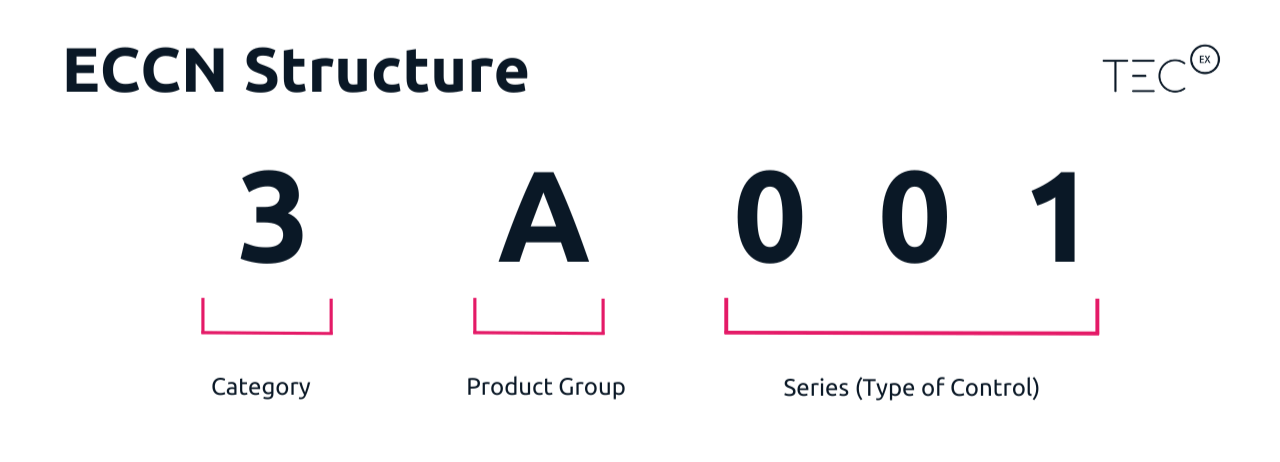
An ECCN follows a structured format. Take 3A001 as an example:
- 3 identifies the category (Electronics)
- A identifies the product group (Systems, equipment, components)
- 001 identifies the specific control entry
The ten CCL categories range from nuclear materials to aerospace systems. Within each category, items are further divided into equipment, materials, software, and technology.
This structured system allows regulators to control not just physical goods, but also software and technical data.
Real Product Examples and Their ECCNs
Understanding ECCNs becomes easier when looking at practical examples.
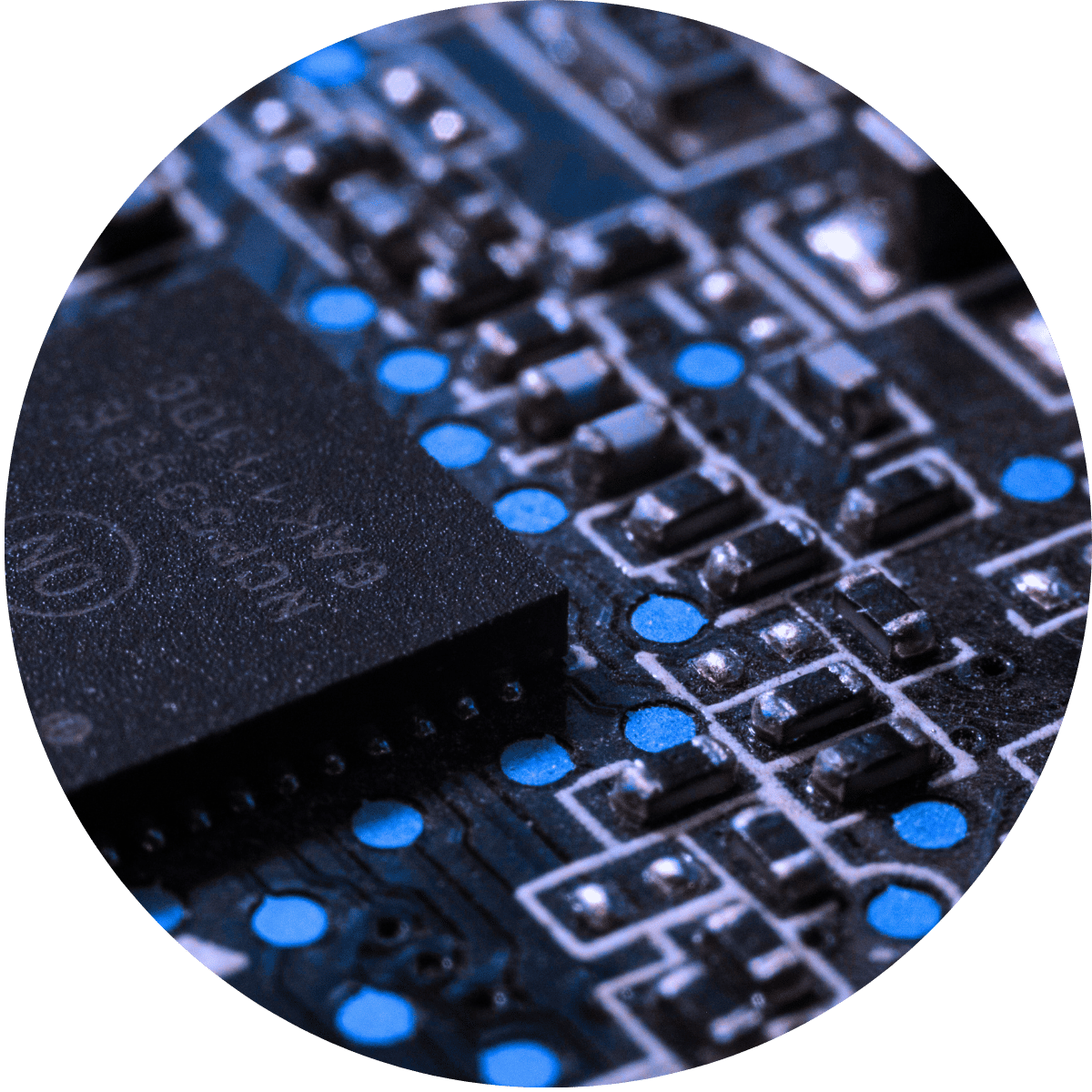
High-performance integrated circuits used in advanced computing systems are often classified under 3A001, which governs certain electronics that exceed specified performance thresholds.

Mass-market encryption software may fall under 5D992, while more sophisticated encryption systems exceeding specific cryptographic parameters can be classified under 5D002.
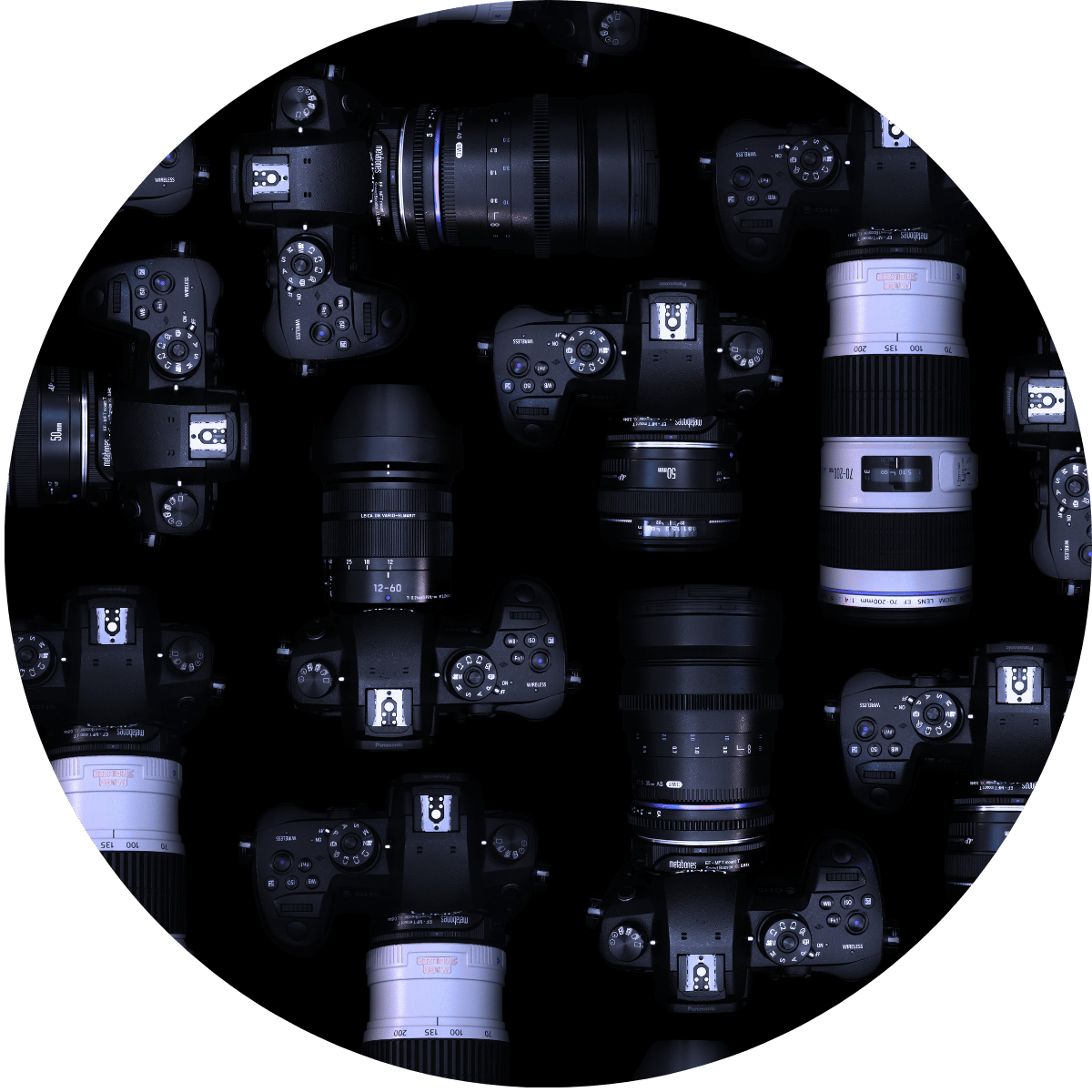
Commercial thermal imaging cameras capable of exceeding certain resolution or frame-rate thresholds may be controlled under 6A003, which covers specific sensors and imaging systems.

Commercial aircraft gas turbine engines designed for civilian aircraft are often classified under 9A991, while more sensitive aerospace propulsion systems may fall under tighter controls.
These examples illustrate an important point: two products in the same industry may carry different ECCNs depending entirely on performance specifications.
Why Do I Need an ECCN Code for Global Trade Compliance?
For companies operating in the global rollout of technology, ECCN codes are a fundamental aspect of their overall trade compliance strategy. Keeping up to date with the latest ECCN updates and trade regulations is crucial to maintaining a compliant and efficient international trade operation. It enables businesses to adapt swiftly to regulatory changes and make informed decisions while managing risks associated with global trade.
ECCN codes are essential in customs compliance. Customs authorities across the world use these codes to assess shipments, verify their legitimacy, and enforce trade regulations. By correctly identifying the ECCN code of goods being exported, companies can determine the applicable trade restrictions. This enables businesses to adhere to trade regulations, ensuring a smooth customs clearance process and minimizing the risk of penalties for non-compliance.
ECCNs can help indicate whether certain products have been banned from the destination country or reveal blacklisted traders. Since these goods have military implications, incorrectly classifying goods can have severe repercussions.
How to Determine Your ECCN
Determining an ECCN requires a methodical review of technical characteristics.
The first step is gathering detailed product specifications. Marketing descriptions are not sufficient. Classification depends on measurable data such as processing speed, encryption bit length, signal frequency, radiation tolerance, or materials composition.
Next, review the Commerce Control List and identify the category most aligned with your product. Carefully compare your product’s specifications against the technical thresholds described in each entry. Pay close attention to notes and exclusions.
If uncertainty remains, exporters may submit a Commodity Classification (CCATS) request to BIS. A CCATS provides an official government determination and can significantly reduce compliance risk during audits or enforcement reviews.
Alternatively, Consult an Export Compliance Expert
Determining ECCN codes for your shipments can be a tiresome, labour-intensive task. Enlisting the services of the likes of an Exporter of Record (EOR) ensures that the export of goods out of the country meets all compliance requirements and legal regulations.
Our EOR services include everything from categorizing your tech products and classifying the required ECCN to sourcing the required export compliance documents. We take on the related risks and responsibilities of your export, so you don’t have to.
How ECCN Impacts Licensing
An ECCN does not automatically mean a license is required. Licensing depends on three core factors:
- The item’s reason for control
- The destination country
- The end user and end use
For example, an item classified under 3A001 for National Security reasons may require a license for shipment to certain countries but not others. Meanwhile, the same item could require a license anywhere if destined for a prohibited end use, such as weapons development.
ECCN classification is therefore the starting point, not the final step, in export compliance analysis.
ECCN vs Other Classification Codes
Exporters often confuse ECCNs with other codes. Each system serves a different purpose.
ECCN vs HS Codes
ECCN vs HTS Codes
The Harmonized Tariff Schedule (HTS) is used for US imports and administered by the US International Trade Commission.
HTS:
- Import-focused
- Duty calculation tool
ECCN:
- Export-focused
- Licensing determination tool
They are unrelated classifications.
ECCN vs Schedule B
Schedule B codes are used for US export reporting and statistical purposes. The US Census Bureau maintains them.
Schedule B:
- Used in AES filings
- Required for export reporting
ECCN:
- Used to determine license requirements
You may need both, but they serve different regulatory functions.
ECCN vs EAR99
If an item is subject to the EAR but not listed on the CCL, it is classified as EAR99.
EAR99 items:
- Generally low-technology consumer goods
- Usually do not require a license
- May require a license if shipped to sanctioned countries, restricted parties, or prohibited end users
Many exporters mistakenly assume all commercial products are EAR99. That is a major compliance risk.
ECCN vs ITAR
The distinction between ECCN-controlled items and ITAR-controlled items is critical.
The International Traffic in Arms Regulations (ITAR) regulate defense articles and services listed on the US Munitions List. ITAR is administered by the Directorate of Defense Trade Controls (DDTC).
In simple terms:
- EAR (ECCN) generally covers dual-use and commercial items
- ITAR covers defense articles specifically designed or modified for military use
Misclassifying an ITAR-controlled item as EAR-controlled can result in:
- Criminal prosecution
- Multi-million-dollar fines
- Debarment from export privileges
Jurisdiction analysis should always precede ECCN classification when military applications are possible.
Understanding ECCNs and Their Relationship to Banned Products
ECCNs serve as indicators of the level of control required for exporting specific items, but they don’t explicitly denote banned products. However, they can offer valuable insights into potential restrictions.
Here’s how ECCNs relate to banned products in different regions:
- United States: The US Department of State administers trade sanctions against certain countries. For example, limitations on exporting encryption technology may apply to countries listed on the State Department’s List of EAA Sanctions Destinations such as Russia, Belarus, and Iraq.
- China: China maintains its own export control regulations. ECCNs associated with dual-use goods may trigger scrutiny from Chinese customs if they conflict with China’s rules on technology exports.
- European Union (EU): The EU has its own export control framework, which may vary from that of the US. ECCNs assigned to civilian aircraft could prompt additional examination if they possess the potential for military conversion under EU regulations.
While ECCNs offer guidance, it’s crucial to remember that they’re just one aspect of export compliance. Exporters should thoroughly review the regulations of the destination country to ensure adherence, irrespective of ECCN classifications.
Want to find out more? Schedule some time with a TecEx global trade expert
Common ECCN Compliance Mistakes
Exporters frequently encounter compliance issues not because of bad intent, but because of misunderstandings.
One common mistake is relying on HS codes to determine export control status. HS codes relate to tariffs and customs duties, not export licensing.
Another frequent issue is failing to reassess classification when product specifications change.
Encryption products pose a particularly high-risk. Minor changes in encryption strength or functionality can significantly alter licensing requirements.
Documentation failures also create risk. Even correct classifications can be challenged if there is no written rationale supporting the determination.
What Happens if I Have the Wrong ECCN Number?
The wrong product classification may result in a mistaken determination of which agency has jurisdiction over the goods you wish to export, the inability to properly determine if an export license is required, misuse of license exceptions, and more.
Getting the ECCN wrong in the export process can spell big problems for your business and cross-border expansion.
Some of the major consequences of having the wrong ECCN code include:
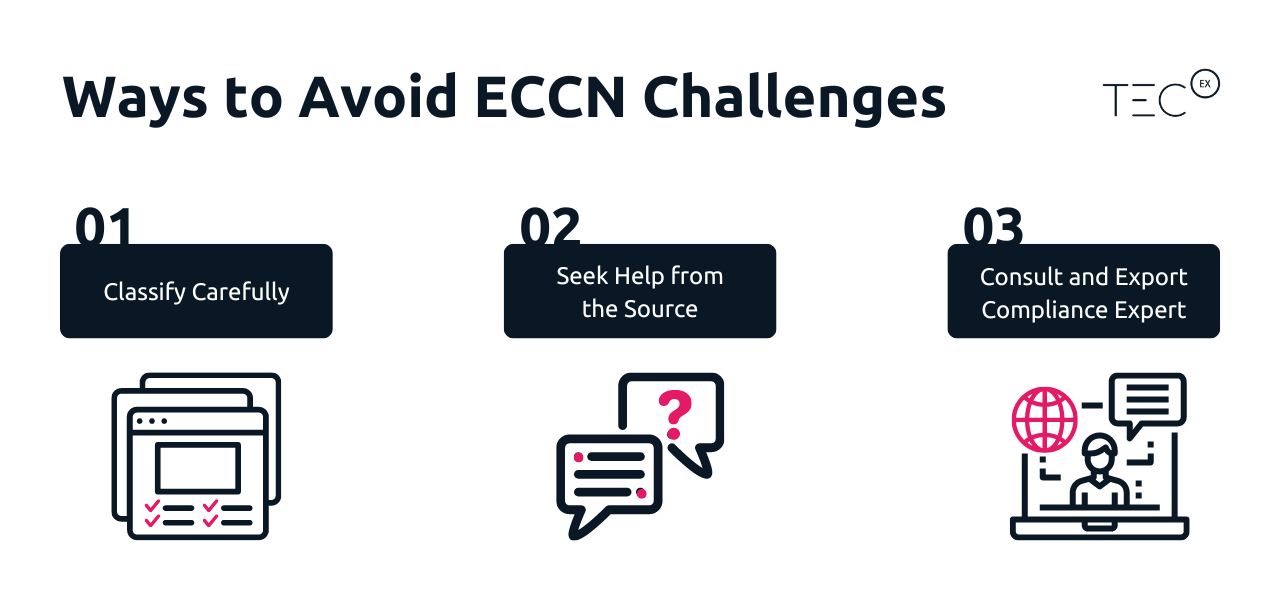
Ways to Avoid These ECCN Challenges
Overall though, there are three ways to help you avoid these misclassifications:
Best Practices for Exporters
- Maintain Written Procedures
Document how classification decisions are made.
- Keep Technical Files
Retain specs supporting ECCN determinations.
- Update Classifications
Review when products change or regulations update.
- Integrate ECCN into ERP Systems
Ensure classification is reflected in internal records and shipping workflows.
- Conduct Internal Audits
Regular reviews reduce enforcement risk.
For higher-risk products, such as advanced electronics, aerospace components, or encrypted goods, seeking external advisory support or obtaining a CCATS can significantly reduce exposure.
When to Use an Export Compliance Professional
- The product is dual-use
- It involves encryption
- It contains advanced electronics
- You operate in high-risk jurisdictions
Misclassification risk increases with technical complexity.
How to Find an ECCN Code?
There are four ways to determine your product’s Export Control Classification Number (ECCN).
Consult an Export Compliance Expert
Enlisting the services from the likes of an Exporter of Record (EOR) ensures that the export of goods out of the country meets all compliance requirements and legal regulations. TecEx’s EOR services include everything from categorizing your tech products and classifying the required ECCN to sourcing the required export compliance documents and taking on the related risks and responsibilities of your export so you don’t have to.
Go to the Source
Contact the manufacturer, producer, or developer of the item you are exporting to see if they have classified their product and can provide you with the ECCN. If they have exported the item in the past, it is likely they have the ECCN.
Self-Classify
In order to perform a self-classification, you must have a technical understanding of your item, and you need to be familiar with the structure and format of the CCL.
Request an Official Classification From the Bureau of Industry and Security
Submit a commodity classification request online through the Simplified Network Application Process – Redesign (SNAP-R). You must obtain a Company Identification Number (CIN) before accessing the online SNAP-R system and submitting your request.
ECCN Codes and TecEx
ECCN codes are key tools in the world of shipping, customs compliance, and global trade. By properly classifying goods and technologies, businesses can navigate the complexities of international trade regulations, ensure efficient supply chain management, and safeguard against legal repercussions.
With TecEx, you can confidently pursue international trade while remaining compliant, efficient, and competitive in the global economy. Our compliance database and in-country experts ensure that your goods will be accurately identified so the appropriate trade compliance documentation is sourced and collated.
ECCN Codes TL;DR
ECCN classification is not just a paperwork requirement. It determines where you can ship, whether you need a license, and whether your company is exposed to civil or criminal liability.
Whether you are a manufacturer, distributor, software developer, or integrator, understanding your ECCN is foundational to lawful international trade.
If your organization exports products, software, or technology from (or containing content from) the United States, ECCN classification is not optional. It is a core compliance obligation.
ECCN Codes FAQs
Is an ECCN required for all exports?
No. If an item is not listed on the CCL, it is usually classified as EAR99.
What does EAR99 mean?
The item is subject to the EAR but not specifically listed on the CCL.
What is the difference between ECCN and ITAR?
ECCNs fall under the EAR for dual-use items. ITAR covers defense articles under the US Munitions List.
Can one product have multiple ECCNs?
Different components may have different ECCNs, but each exported item must have one primary classification.
Do I need a license if my product has an ECCN?
Possibly. Licensing depends on the reason for control, destination, end use, and end user.
Does ECCN only apply to US exporters?
Primarily, yes, but not exclusively.
ECCNs are part of the Export Administration Regulations (EAR), which are US law. So ECCN classification directly applies to US-based exporters and US-origin items exported from the United States.
However, ECCN requirements can also apply outside the US in two serious situations:
- Re-exports of US-origin items from one foreign country to another
- Foreign-made products that contain more than a de minimis percentage of US-controlled content
This means a company in Germany, Singapore, or Brazil may still need to evaluate ECCNs if its products incorporate US-origin components or technology subject to the EAR.
So, while ECCN is a US regulation, its impact is global.
Let’s Find a Solution That
Works for You
Confidently pursue international trade while remaining compliant, efficient, and competitive in the global economy. Our compliance database and in-country experts ensure your goods are accurately identified, enabling hassle-free shipping worldwide. Reach out to us today.
Let’s find a solution that works for you
Fill in the form to get in touch, and our expert team will contact you with a bespoke customs compliance solution to suit your needs.