Importing and Exporting to Europe
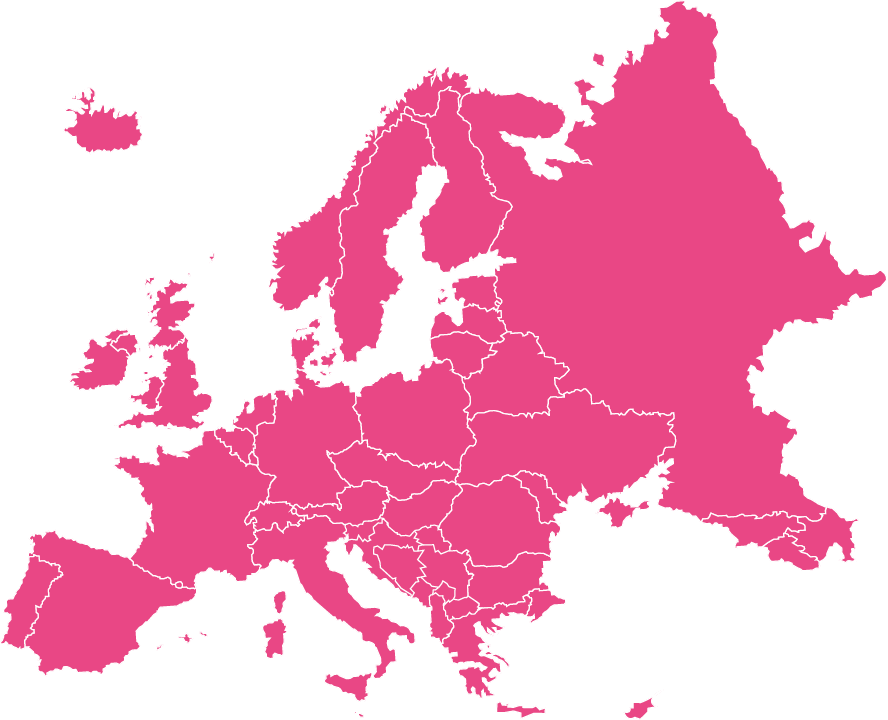
Importing and exporting to Europe requires navigating multiple sovereign customs territories, divergent tax frameworks, and complex cross-border trade processes in 44+ countries. Tech traders in Europe face regulatory challenges due to more than 20 national regimes across the region. Major challenges involve specialized country-specific customs laws, dual-use export controls, and evolving IT hardware requirements, making bulletproof trade compliance vital for exporting to Europe.
Southern Europe is the fastest-growing data center infrastructure region with a 36% CAGR.
$65.18 billion projected AI data center market value for Europe by 2031.
65% of European ICT goods exports are intra-EU trade.
$539 billion in high-tech imports entered the EU in 2024.
24.65% CAGR is driving the expansion of Europe’s AI data center market.
Tech Trade in Europe
Europe’s technology market, encompassing the European Union, the United Kingdom, Switzerland, Norway, the Western Balkans, and Eastern Europe, has experienced significant expansion in AI infrastructure, data centers, and the broader ICT industry. The broader ICT landscape in Europe is being reshaped by massive public funding for 5G roll-outs, enhanced cybersecurity requirements under the NIS2 directive, and enterprise cloud migration. European economies accounted for approximately 57% of the global ICT services exports in 2025.
Since 2016, the number of funded European tech companies has tripled from 13,000 to nearly 40,000. Today, the total value of Europe’s tech sector has almost reached $4 trillion, accounting for a massive 15% of Europe’s GDP. With the boom of technology advancements, tech trade, and surging AI adoption, European nations have increased their regulatory mandates regarding digital sovereignty and sustainability. This evolving landscape is creating significant opportunities for advanced tech trade and a need for specialized trade compliance in Europe.
Europe Trade Compliance Challenges
Top European Import and Export Lanes for Tech


Belgium
Belgium is one of Europe’s most important logistics and data connectivity hubs, with strengths in pharmaceuticals, cloud services, telecommunications, electronics, and data center infrastructure. The proximity of the Port of Antwerp-Bruges and Brussels (the center of EU regulatory activity) to EU institutions makes Belgium a key entry point for non-EU businesses. Importers must comply with EU customs regulations, Belgian VAT requirements, CE marking obligations, and environmental regulations covering WEEE, batteries, and packaging.
In Belgium, it is also mandatory to obtain EU EORI registration and submit customs declarations through the IDMS system. Technology companies often encounter challenges with customs valuation, importer liability, and dual-use controls. TecEx provides specialized IOR and VAT Recovery solutions for hassle-free door-to-door delivery and accelerates technology deployments into Belgium and across Europe.
France
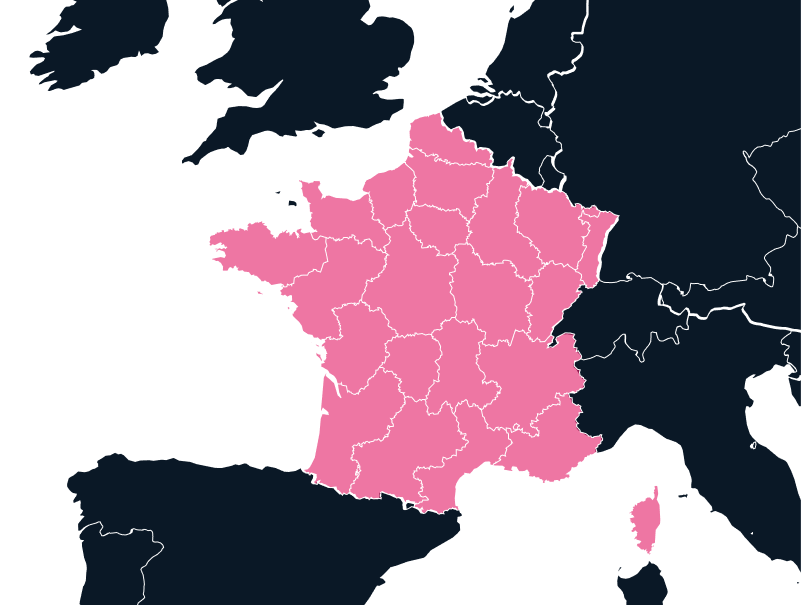
France is a major European technology and logistics hub, with leading sectors spanning aerospace, cloud computing, AI, telecommunications, semiconductor design, and data center infrastructure. Home to one of Europe’s largest AI ecosystems, France is a strategic gateway for non-EU technology companies entering the Single Market. Cross-border trade in France is administered by French Customs (DGDDI) through the DELTA IE customs platform. Compliance in France is enforced through EPR schemes, including requirements for packaging and batteries, as well as the AGEC circular economy framework.
Importers in France face challenges with EORI registration, import VAT exposure, customs valuation, and tariff classification. High-value IT infrastructure and data center equipment shipments often receive additional scrutiny, making compliance documentation critical. TecEx helps non-EU organizations manage French customs, tax obligations, product compliance, and regulatory requirements.
Germany
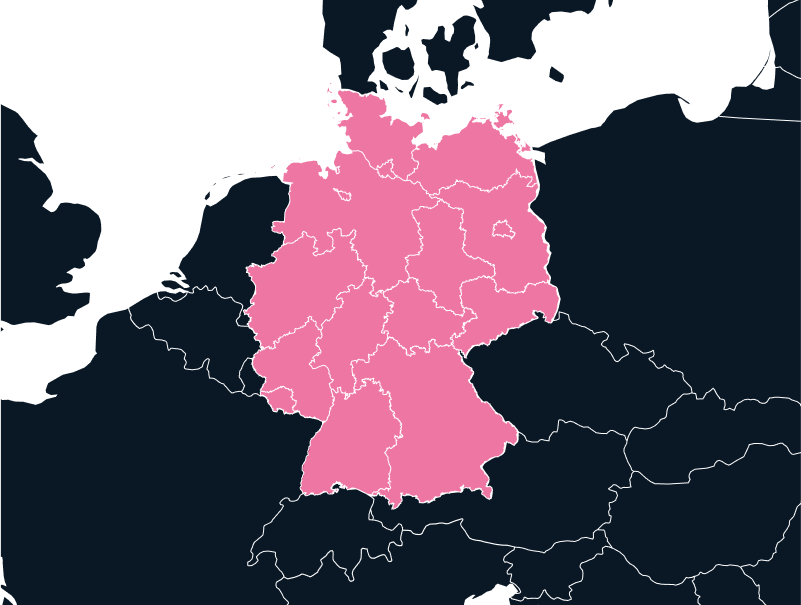
Germany is the EU’s largest importer and exporter and one of the world’s largest ICT markets. Its leading tech sectors include automotive electronics, industrial automation, software, medical devices, and AI data centers. Trade follows EU customs law, administered by the German Customs Administration (Zoll).
Imports require a German EORI number, electronic filing through the ATLAS system, and 19% import VAT. Technical documentation must be in German, and hazardous substance declarations are mandatory. Tech deployments must also comply with ElektroG, NIS2 cybersecurity standards, and the Energy Efficiency Act, while dual-use exports need BAFA licenses. An IOR and EOR assumes legal liability and helps prevent seizures, retroactive tax assessments, and costly delays.
Iceland
Iceland has a specialized tech import landscape centered on geothermal computing infrastructure and advanced marine telemetry, with its top tech industries being green-tech computing infrastructure and specialized data center technology. Iceland is a member of EFTA and the EEA.
Import declarations and documents in Iceland are processed via the Icelandic Directorate of Customs (Skatturinn) electronic clearance system. Standard import duties in Iceland apply based on item classification, along with a 24% VAT rate. Tech gear almost always requires EEA-harmonized technical documentation.
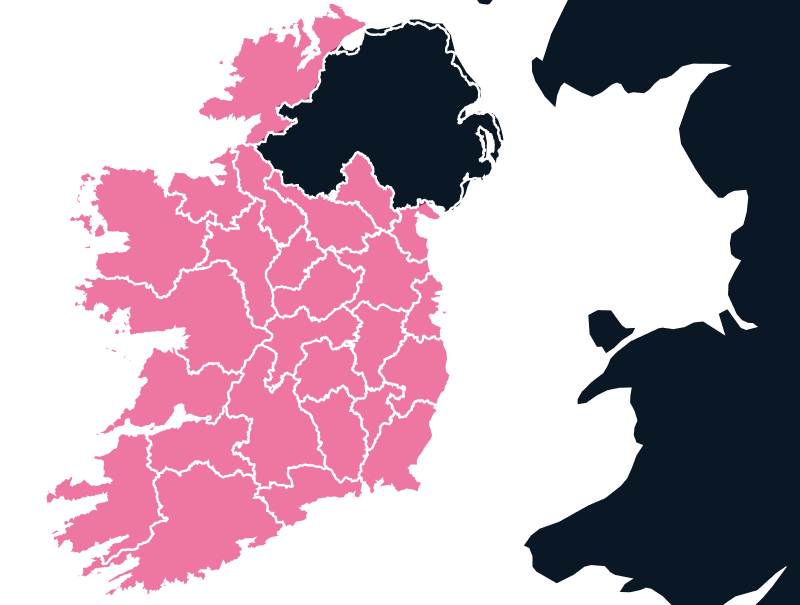
Ireland
Ireland is a major multinational hub for biopharmaceuticals, medical technology, and ICT hardware distribution. Ireland’s customs rules depend on whether you arrive from the EU or a non‑EU country. Navigating Irish trade requires strict adherence to EU Common Customs Tariffs, and non-resident entities face complex import VAT liabilities.
Imports to Ireland require an EU EORI number and dual-use licenses for certain advanced technologies. To manage Ireland’s trade barriers, foreign tech exporters can utilize an IOR that serves as the local entity on customs documentation, assumes legal liability, manages dual-use permits, and secures PVA eligibility to prevent costly delays during hardware deployments.
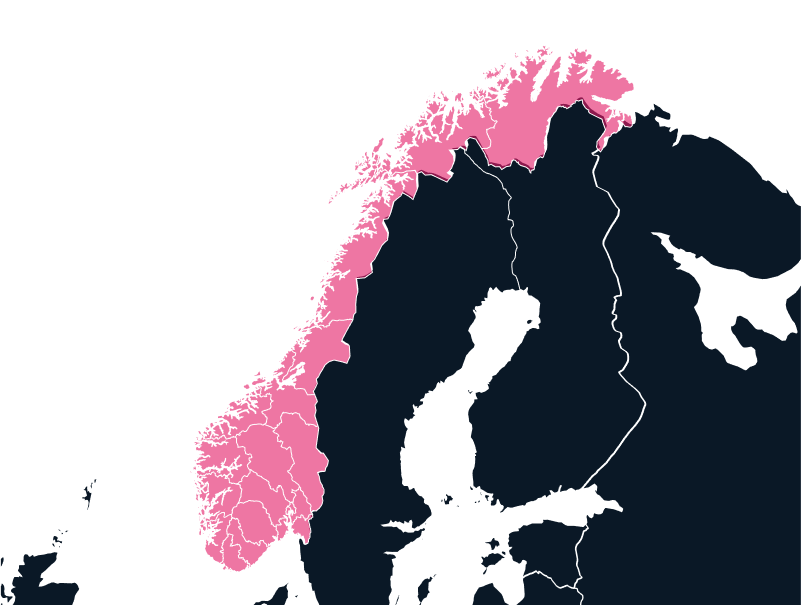
Norway
Norway is a world leader in maritime technology, and its tech sector is heavily influenced by subsea engineering, maritime electronics, and growing investment in sustainable data center infrastructure. The country’s highly connected economy continues to drive demand for enterprise technology, cloud infrastructure, and secure digital services.
Import declarations are processed digitally through the Norwegian Customs (Tolletaten) TVINN system, and most industrial technology enters duty-free under the EEA agreement, though a standard 25% import VAT applies. Producers and importers of electronic equipment may be required to participate in an approved Norwegian e-waste compliance scheme, such as El-Retur.
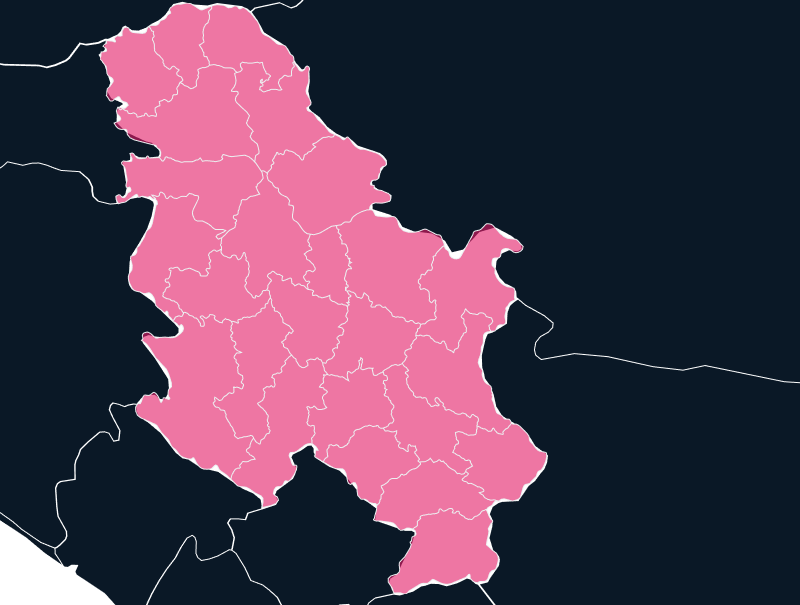
Serbia
Serbia established the first AI Research Institute in Southeast Europe and was among the first countries in the region to adopt a national AI strategy. The country is expanding its footprint as a regional hub for automotive electronics assembly and IT hardware outsourcing, supported by its Stabilization and Association Agreement with the EU.
Standard import duties in Serbia can be 10% or higher, depending on the category, alongside a standard 20% VAT. Tech equipment requires mandatory RATEL Type Approval for radio frequency and telecommunications hardware, along with strict compliance verification and documentation for dual-use items.
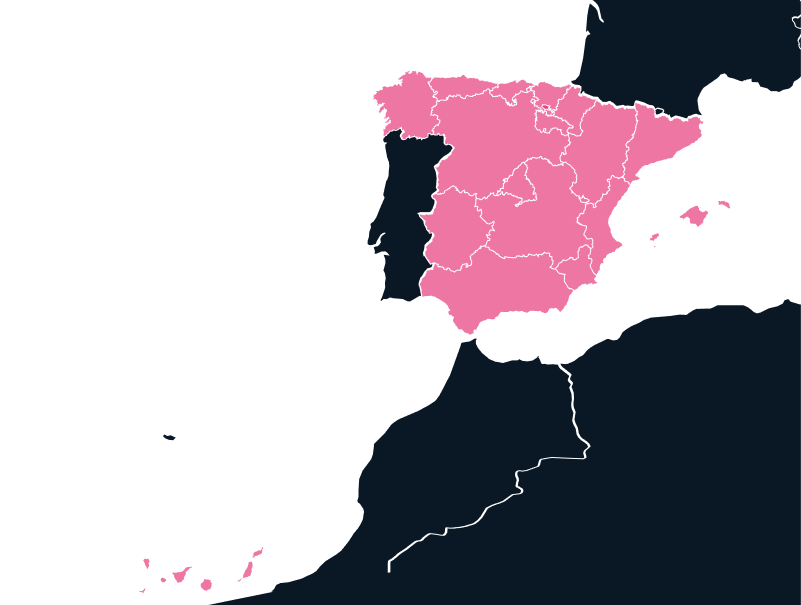
Spain
Spain has one of Europe’s most advanced digital infrastructures, with more than 95% fiber coverage, and growing investment in hyperscale data centers, cloud platforms, and AI-driven technologies. The country is fully integrated into the EU Single Market and the EU Customs Union and is governed by pan-European environmental directives.
Import declarations are submitted through the Spanish Tax Agency (Agencia Tributaria) DUA electronic system. Standard import tariffs follow the EU Common Customs Tariff and are subject to a 21% standard VAT rate. Tech equipment requires compliance with Spanish consumer protection standards.
Sweden
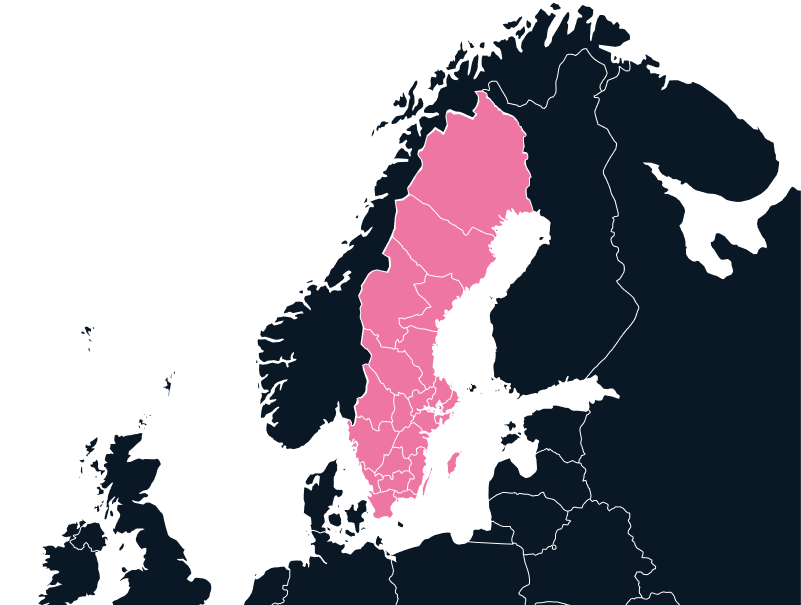
Sweden is one of Europe’s most advanced digital economies, and the country has become a preferred destination for hyperscale and AI infrastructure because of its abundant renewable electricity and naturally efficient cooling conditions, making it one of the region’s most attractive locations for sustainable data center deployments.
Manufacturers and importers placing equipment on the Swedish market are typically required to register with approved collection schemes such as El-Kretsen for WEEE reporting and recycling obligations. Technology imports must also meet battery, packaging, and Swedish conformity requirements. TecEx helps importers and exporters navigate Swedish regulatory requirements and supports seamless technology deployments throughout the Nordic region.
Switzerland
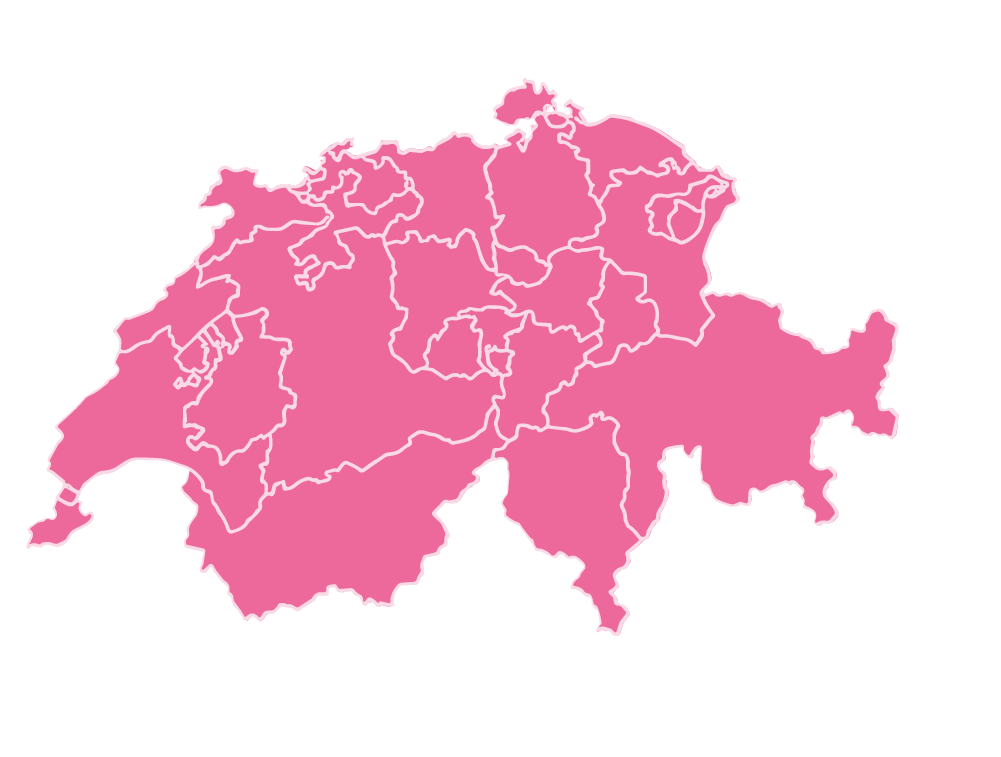
Switzerland’s most active tech trade sectors are precision instruments, industrial robotics, microelectronics, data center hardware, and secure enterprise hardware. Switzerland operates entirely outside the EU Single Market and Customs Union, and its trade relies on a complex network of bilateral sectoral agreements.
Import declarations are processed via the modern e-dec/Passar digital customs system. Tech and electronic equipment often need to comply with the Ordinance on Product Safety (PrSO), align with the Swiss revFADP for data handling, and are subject to strict dual-use export/import licensing overseen by the State Secretariat for Economic Affairs (SECO).
The Netherlands
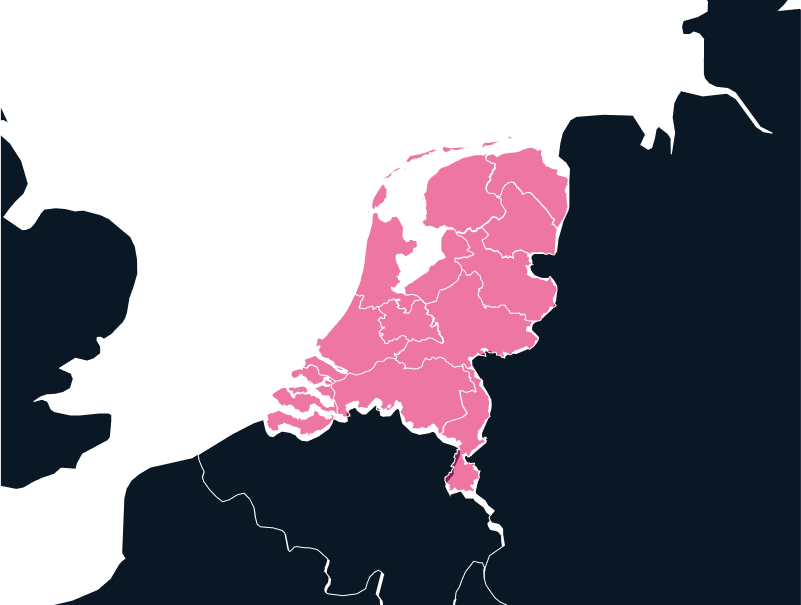
The Netherlands is Europe’s leading technology import gateway, powered by the Port of Rotterdam and the country’s significant semiconductor sector. Many non-EU technology companies use the Netherlands as their first point of entry into the EU, distributing data center hardware, telecommunications equipment, enterprise IT, and semiconductor technologies.
Dutch imports are administered through the Declaration Management System (DMS). The Netherlands is particularly attractive because of its Article 23 VAT deferment scheme. TecEx helps tech importers navigate Dutch trade requirements and unlock VAT efficiencies when applicable.
The United Kingdom (UK)
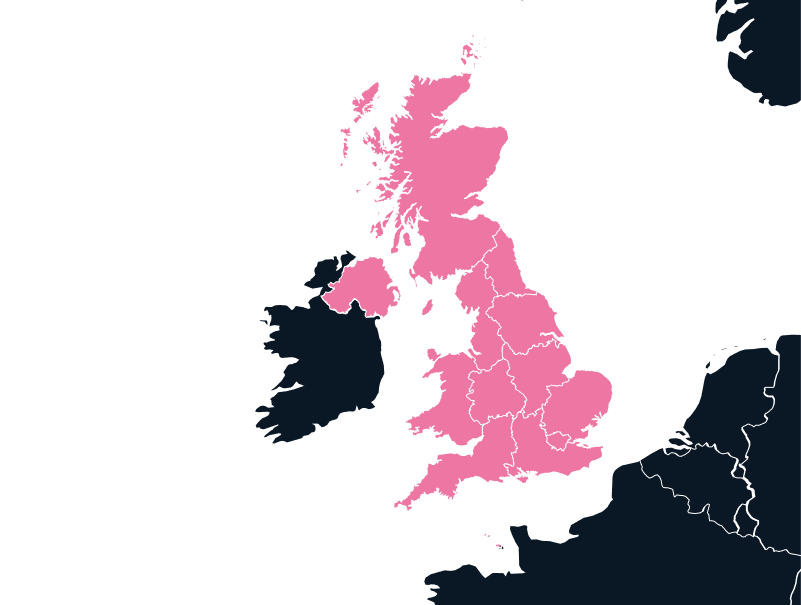
The UK is the world’s third-largest AI market, making it one of the most attractive destinations for AI infrastructure, data center equipment, and advanced technology deployments. Most imports to the UK require distinct technical documentation, risk assessments, and importer-tracking data.
UK customs scrutinizes hardware imports and exports, especially electronics, computers, telecommunications, dual-use, and information security. Post-Brexit, many imports require UK registrations, importer arrangements, VAT compliance, and national filings with HMRC, creating additional administrative complexity for overseas businesses.
Trade Blocs and Trade Agreements in Europe
European Union (EU-27) Bloc:
The EU operates under a single Customs Union, the Union Customs Code (UCC), a shared Common External Tariff, and a harmonized EORI system recognized across all member states. The bloc includes nations such as Germany, France, Italy, and Spain, but excludes major European countries such as the United Kingdom, Switzerland, Norway, Iceland, and Serbia. Decisions made in Brussels apply directly and uniformly across all 27 member states.
EEA and EFTA:
The European Economic Area (EEA) extends the EU’s Single Market to Iceland, Liechtenstein, and Norway, ensuring smooth trade with minimal customs disruptions. The European Free Trade Association (EFTA) includes the EEA as well as Switzerland. EFTA promotes free trade and economic cooperation among its member states, facilitating simplified tech imports and exports.
The European Single Market:
The European Single Market enables the free movement of goods, services, capital, and people across participating EU and EEA countries, reducing customs barriers and facilitating regulatory harmonization. It unites all 27 EU member states with the 3 EEA nations. Brexit required the UK to negotiate a separate trade agreement with the Single Market.
Data Center Migration Beyond FLAP-D:
FLAP-D refers to the five major European data center hubs: Frankfurt, London, Amsterdam, Paris, and Dublin, which are primary centers for cloud deployment and interconnection. Severe grid congestion and 10-year connection queues in these primary hubs have redirected 63% of new data center capacity to secondary and tertiary markets across the continent.
Import and Export Anywhere in Europe
Expanding to Europe?
Import technology across Europe with confidence. TecEx simplifies customs clearance, compliance, VAT challenges, and cross-border logistics, helping you deploy tech faster without delays, penalties, or unnecessary complexity.