Import and Export to Africa
Africa’s trade ecosystem is evolving at a remarkable pace. What was once a landscape dominated by raw material exports is now transforming into a dynamic hub of value-added manufacturing, digital trade infrastructure, and enterprise software. Key growth drivers in Africa are massive investments in the data center market, fintech, subsea cables, and AI-driven solutions, even as border inefficiencies and shipping disruptions present persistent hurdles. Explore Africa’s customs requirements, regulatory frameworks, and trade solutions.
Africa’s Fintech market is the fastest-growing digital finance ecosystem globally.
$72 billion digital transformation market size expected by 2031.
15.5% growth in total services exports from 2025 to 2026.
13% of Africa’s overall merchandise imports are ICT goods.
15.62% CAGR growth predicted over 2026–2031 for Africa’s digital transformation market.
Tech Trade in Africa
Africa’s technology sector is expanding at three times the global average rate, driving the broader digital transformation market. This trade ecosystem is shaped by new subsea cable landings (such as 2Africa and Equiano) that lower bandwidth costs, as well as by regional trade integration under the African Continental Free Trade Area (AfCFTA). Nigeria’s telecommunications sector, with over 210 million active mobile subscribers, contributes 82% of West Africa’s overall ICT market value.
Africa is the fastest-growing fintech market in the world, with revenues projected to reach $72 billion by 2031. Despite Africa currently accounting for less than 1% of global data center capacity, rapid changes are underway, with investments expected to push the Africa data center market close to $7 billion by 2030. With opportunity comes complexity: from customs chokepoints to emerging regulatory frameworks, the region presents both high-growth potential and a growing need of African data center compliance and tech trade expertise.
Africa Trade Compliance Challenges
Top African Import and Export Lanes for Tech

Algeria
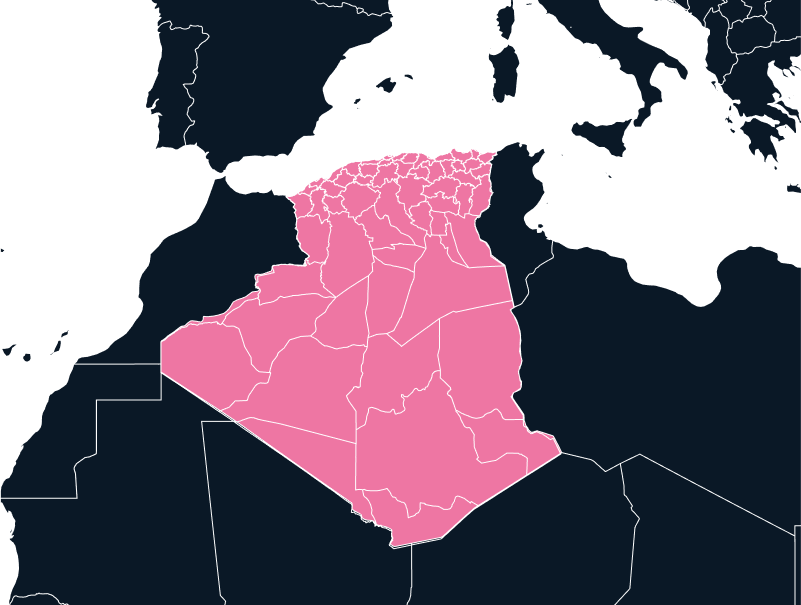
The ICT sector is a central pillar of Algeria’s digital transformation, and IT investments represent 10% to 15% of all Algerian commercial capital outlays, spanning servers, data centers, cloud computing, software, and cybersecurity. Algeria is also expanding domestic assembly to build a North African electronics hub. Customs clearance is a frequent operational hurdle for foreign entities in Algeria, with processing delays ranging from weeks to several months due to extensive administrative documentation requirements.
Algeria’s DAPS regime imposes duties of up to 200% to shield domestic production and reduce foreign currency expenditure. Navigating Algeria’s customs and market dynamics, supply chain bottlenecks, and compliance requirements requires partnering with local IORs to successfully clear customs.
Egypt
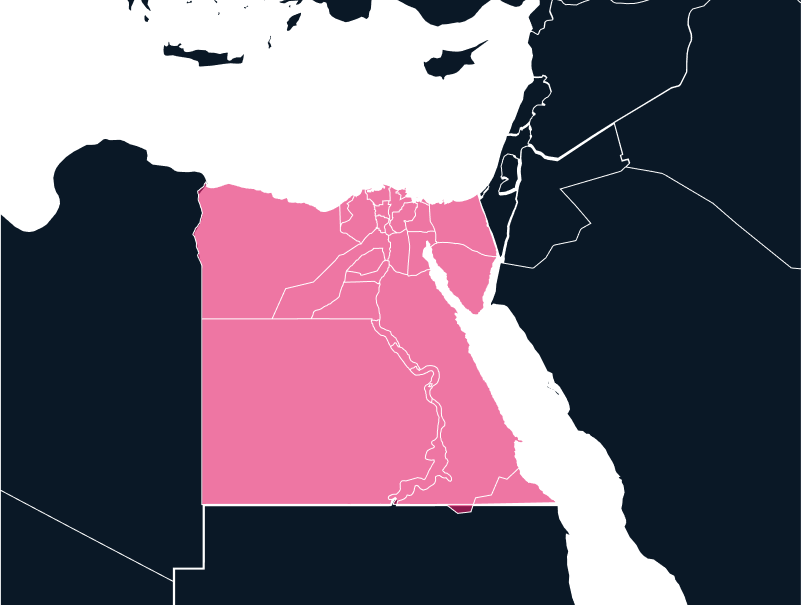
Egypt’s technology and industrial trade landscape is undergoing a rapid transition. This is driven by an export-led growth strategy aimed at shifting from primary commodities to high-value manufactured goods, data infrastructure, and technological devices (especially networking components and enterprise IT systems). The country’s export momentum pushed total outbound trade to nearly $30 billion in the first seven months of 2026 alone.
Shipping technology hardware and advanced gear into or out of Egypt requires strict regulatory approvals and licensing. Precise classification is critical for both import and export shipments to prevent customs delays, for accurate tariff payments, and to maintain compliance. Egypt also has a mandatory pre-clearance system, Advance Cargo Information, which runs on the CargoX platform utilized by customs authorities. This official blockchain-based document transfer platform is not easy to navigate without an IOR.
Kenya
Kenya is a major distribution hub, and its “Silicon Savannah” (Nairobi) serves as East Africa’s primary tech innovation hub. The country’s trade landscape is currently balancing high volumes of imported hardware with the expansion of exports of ICT and financial technology services. ICT service exports in Kenya are surpassing $1.04 billion annually.
Advanced telecommunications gear, encrypted IoT sensors, and high-precision drones are routinely flagged by Kenyan customs. Importers must ensure precise HS code classification, dual-use pre-screening, and mandatory marine cargo insurance to prevent cargo seizures and compounded demurrage fees. Navigating customs in Kenya also requires managing conflicting rules between the East African Community (EAC) and the Common Market for Eastern and Southern Africa (COMESA).
Mauritius
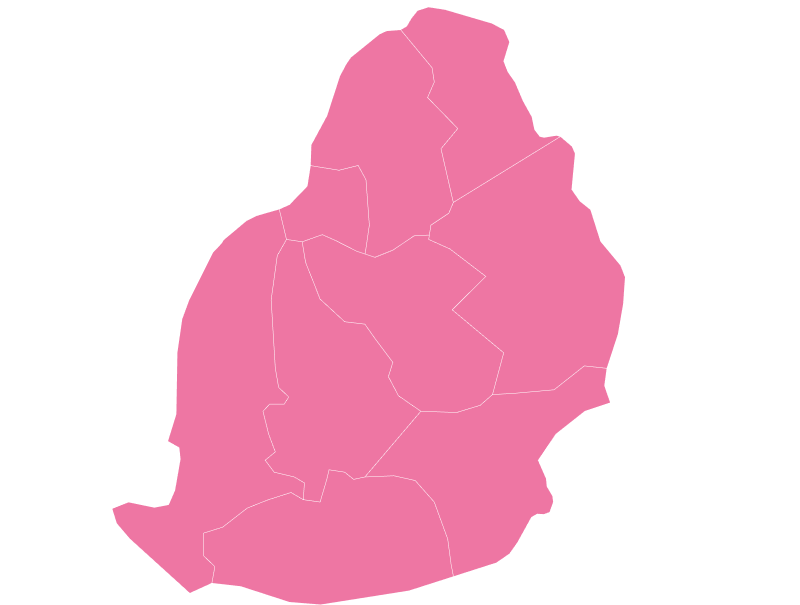
Mauritius is one of the most competitive, open, and business-friendly economies in Sub-Saharan Africa. Mauritius operates as a strategic financial and ICT gateway linking Africa, Asia, Europe, and the Middle East. The country offers foreign tech preferential access across global markets through an extensive web of trade agreements. Mauritius imports almost all of its high-tech capital goods, electrical machinery, and electronics.
Certain tech categories, including telecommunications equipment, pharmaceuticals, and agricultural technologies, require import permits. Customs operations are governed by the Customs Act 1988, alongside the Excise Act, VAT Act, and Customs Tariff Act, and administered by the Mauritius Revenue Authority (MRA) Customs Department. Exporters and importers must submit electronic customs declarations through the TradeNet System and follow several Mauritian regulations.
Nigeria
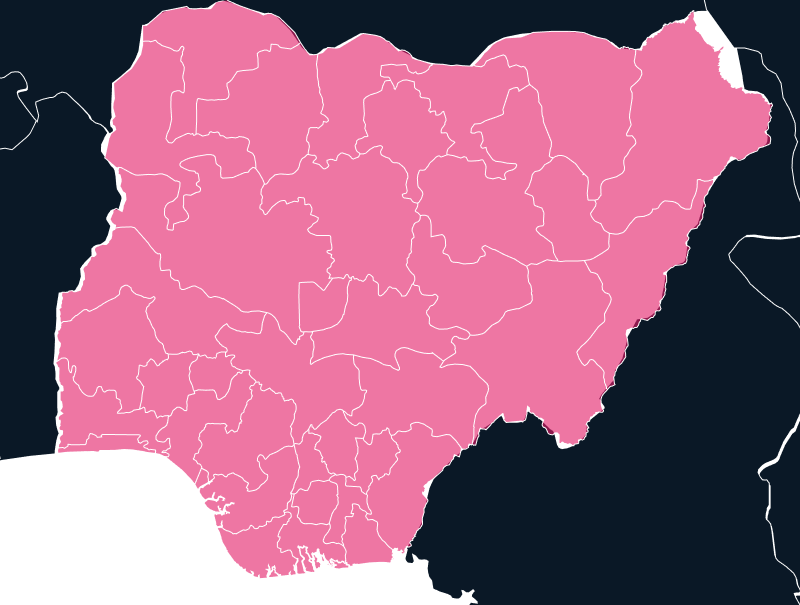
Nigeria is the fastest-growing national tech and digital transformation market in Africa, accelerating at an 18.85% CAGR through 2031. Imports to Nigeria focus heavily on telecommunications gear, server and network hardware, electronics, and industrial components. Naira depreciation and foreign exchange rate volatility directly inflate import tariffs and trade expenses in Nigeria.
Not only is FX a challenge, but legislative tax reforms introduce new excise duties targeting tech sectors, specifically imposing excise taxes on telecommunication services and foreign exchange gains. Nigeria also has extensive tech trade requirements and barriers, such as SONCAP, PAAR, Form M, NCC, and NSA security clearance. TecEx is well-versed in these requirements and can streamline your imports and exports to Nigeria.
South Africa
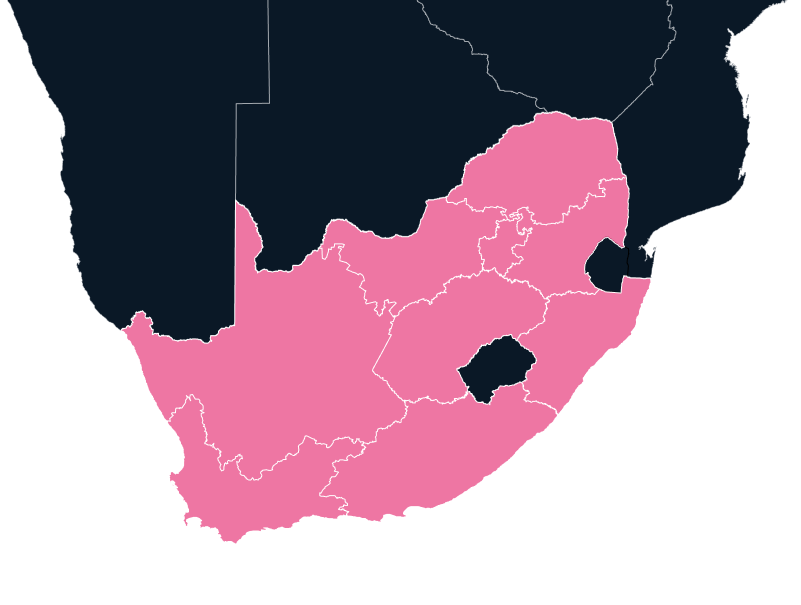
Southern Africa hosts Africa’s most advanced technology ecosystem, and South Africa stands out the most for its robust renewable energy sector and data center market. Tech trade in South Africa focuses heavily on enterprise software and advanced logistics. South Africa has a complex tariff schedule with nearly 40 distinct rates, reaching up to 30%. Key compliance certifications include the NRCS LOA, ICASA certification, and ITAC permits.
The country’s Customs Border Control Unit (CBCU) can detain entire shipments for random inspections, causing delays of up to 2 weeks and heavy storage costs. South Africa is a member of the Southern African Customs Union (SACU) alongside Botswana, Lesotho, Eswatini, and Namibia, and also participates in the SADC Free Trade Area and the AfCFTA.
Tunisia
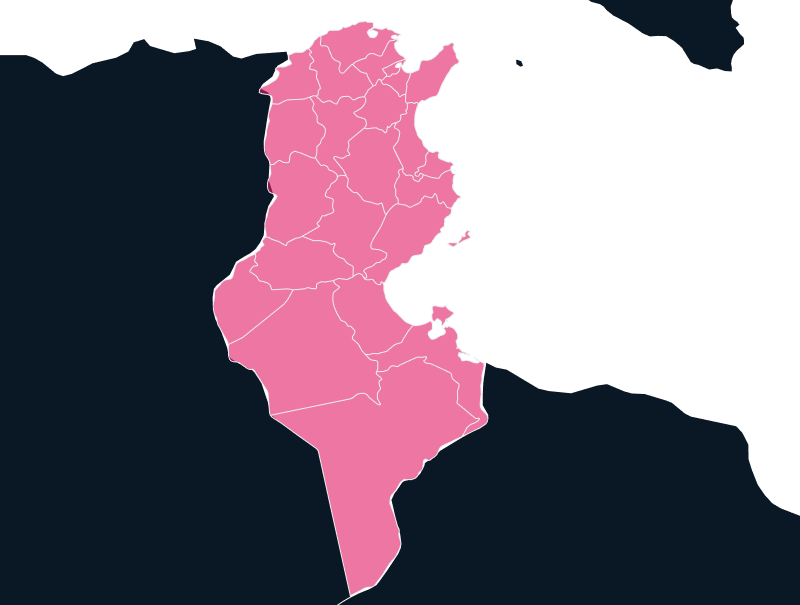
Tunisia offers several strategic advantages for tech trade, including its geographic proximity to Europe, sub-Saharan Africa, and the Middle East, as well as a network of Preferential and Free Trade Agreements with the EU. Tunisia is a participant in the Medusa Submarine Cable System, positioning the country as a regional data center hub.
Customs clearance procedures, documentation, and online tariff schedules are managed through Tunisia Trade Net (TTN). Both tech exporters and importers must appoint locally established IORs and customs brokers who are directly registered with TTN to handle entry declarations, verify duty rates, and facilitate clearance.
Trade Blocs and Trade Agreements in Africa
African Continental Free Trade Area (AfCFTA):
The AfCFTA, signed by 54 of the 55 African Union member states, aims to create a unified African market. By removing tariffs on 90% of goods and enabling freer movement of capital and business travelers, AfCFTA drives economic integration. While opening new opportunities, it also adds complex compliance requirements across regions.
China’s Zero-Tariff Program:
China grants zero-tariff treatment to 53 African nations, widening market access for cross-border e-commerce platforms and electronics imports and exports. China is the largest single-origin supplier of imports to major African economies, including Kenya, Egypt, Mauritius, and Nigeria.
The Africa Free Trade Zone (AFTZ):
AFTZ is structured through the COMESA-EAC-SADC Tripartite framework and was established to harmonize trade across 26 countries in Eastern, Central, and Southern Africa by integrating the three major Regional Economic Communities. Its primary objective is to unify overlapping bloc memberships. AFTZ reduces non-tariff barriers, streamlines customs procedures, and promotes cross-border trade.
African Growth and Opportunity Act (AGOA):
AGOA is a trade agreement where the US grants duty-free market access to 33 sub-Saharan African countries. AGOA includes Angola, Botswana, Côte d’Ivoire, Eswatini, Ethiopia, Ghana, Kenya, Nigeria, and South Africa. AGOA has been extended to December 2028 and continues to reduce trade barriers on thousands of goods, attract investments, and diversify beyond raw commodity exports.
Ship Anywhere in Africa
Ready to Expand in Africa?
Whether you’re importing machinery into East Africa, scaling tech infrastructure in West Africa, or navigating complex compliance frameworks in Southern Africa, our expert team simplifies the entire process, so you can focus on growth. We will help you navigate the Africa data center market and manage customs documentation.